(NB: Originally posted on https://geekoutuk.com/2018/09/14/magic-the-gathering-commander/)
What is Commander?
Commander is one of the most popular formats for Magic the Gathering and, like most good things in Magic, it started because of bored judges.
That’s not entirely correct, but it’s an amusing thought.
Commander – or Elder Dragon Highlander, named after the early ‘Commanders’ being creatures with the “Elder Dragon” type – is a format thought up of within the Magic community. It quickly spread to being played by judges after officiating a Grand Prix or Pro Tour, which soon spread to staff at Wizards of the Coast (WotC) themselves.
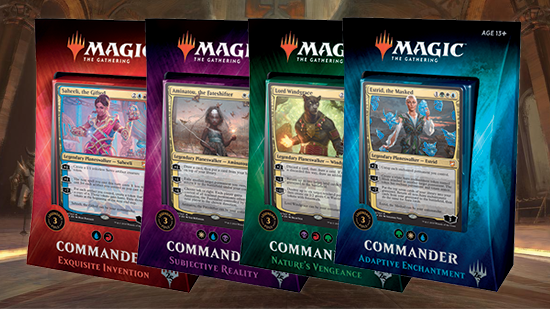
Despite this popularity, official Commander pre-built products weren’t created until 2011, and it wasn’t until 2013 where these pre-built decks became an annual fixture in the release schedule.
How is Commander played?
Commander follows specific deck building rules compared to regular constructed play:
- Your deck must have a Commander/General, which has to be a Legendary Creature (2 Legendary Creatures if both cards have the “Partner” ability) or a Planeswalker containing the specific line of text “*this Planeswalker* can be your commander”
- All the cards in your deck must be within the colour identity of the Commander (colour identity is determined by the colours in the card’s mana cost and rules text)
- The deck can only have one copy of each card (besides basic lands)
- The deck must be 100 cards total, which includes your Commander card(s)
- The only non-specific rule is that cards from all of Magic’s history can be used, aside from the ban list
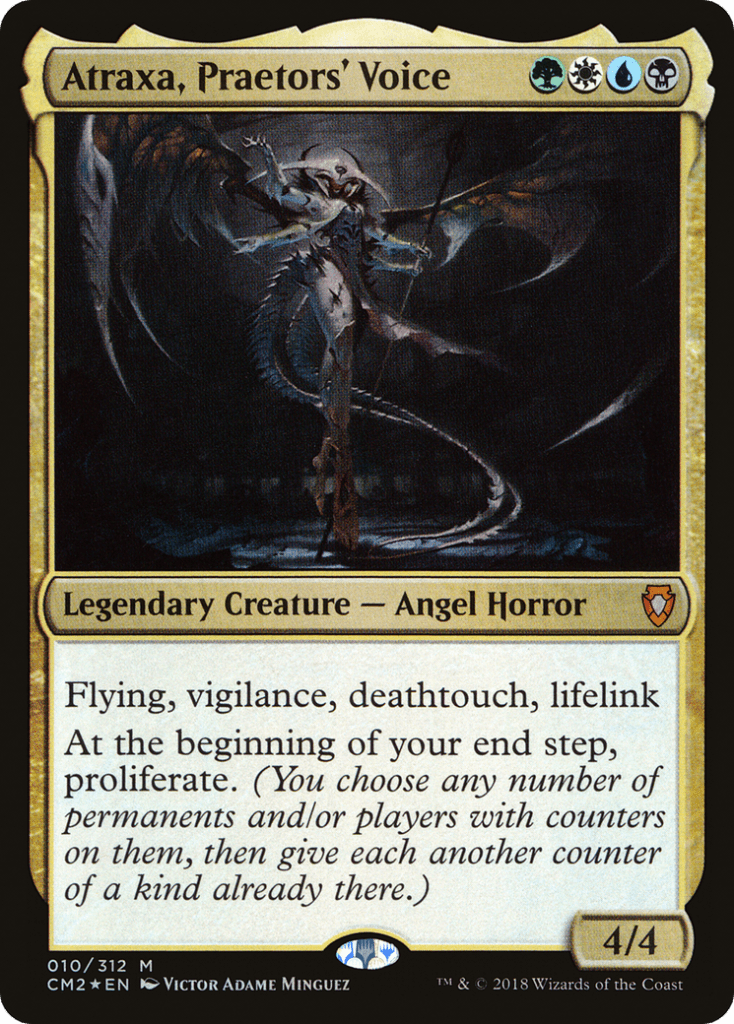
Commander is traditionally a multiplayer format, with games between 3-4 people, though 1v1 Commander is popular in some circles. Players start on 40 life (30 for 1v1 games) and if a player is dealt 21 damage by a single commander, they lose automatically.
The commander card(s) themselves are kept in a separate zone of play called the “command zone”, which can be cast anytime you could cast a creature. Each time a commander is cast from this zone, the next time it is cast from the command zone it costs 2 colourless mana more (an effect often referred to as “commander tax”.)
Why do I like Commander?
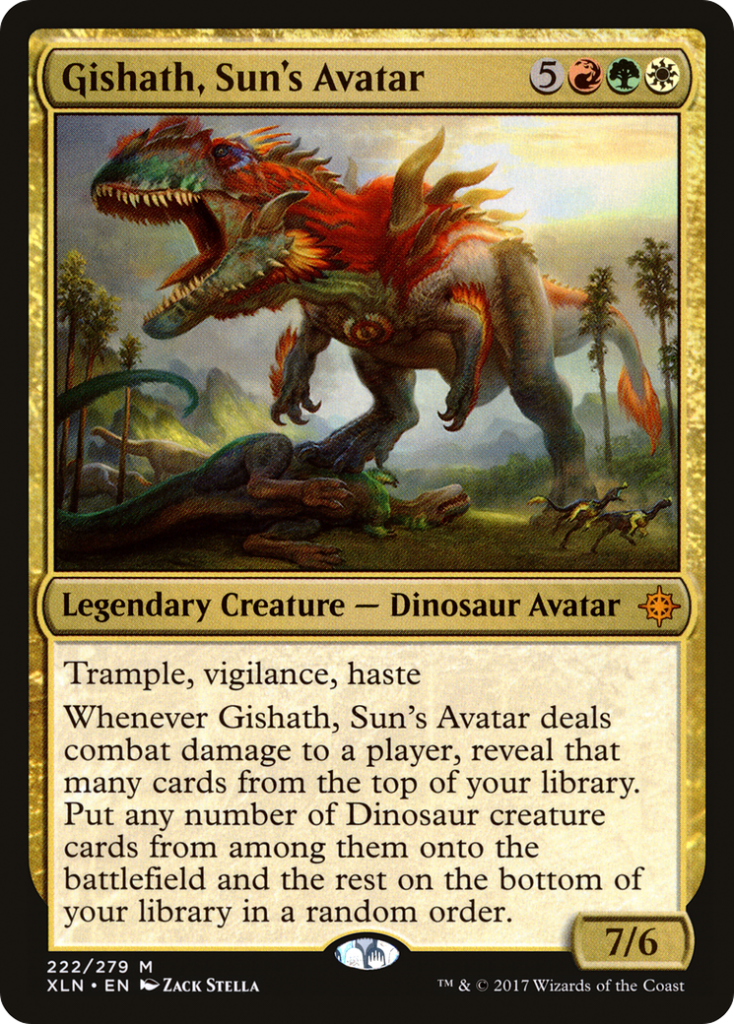
I started playing Magic seriously about a year ago, but never started playing constructed formats until the start of this year, where Rivals of Ixalan ignited my passion for Standard Merfolk and Commander Dinosaurs. Due to time and motivation the Commander deck didn’t get taken out that much and was eventually de-sleeved.
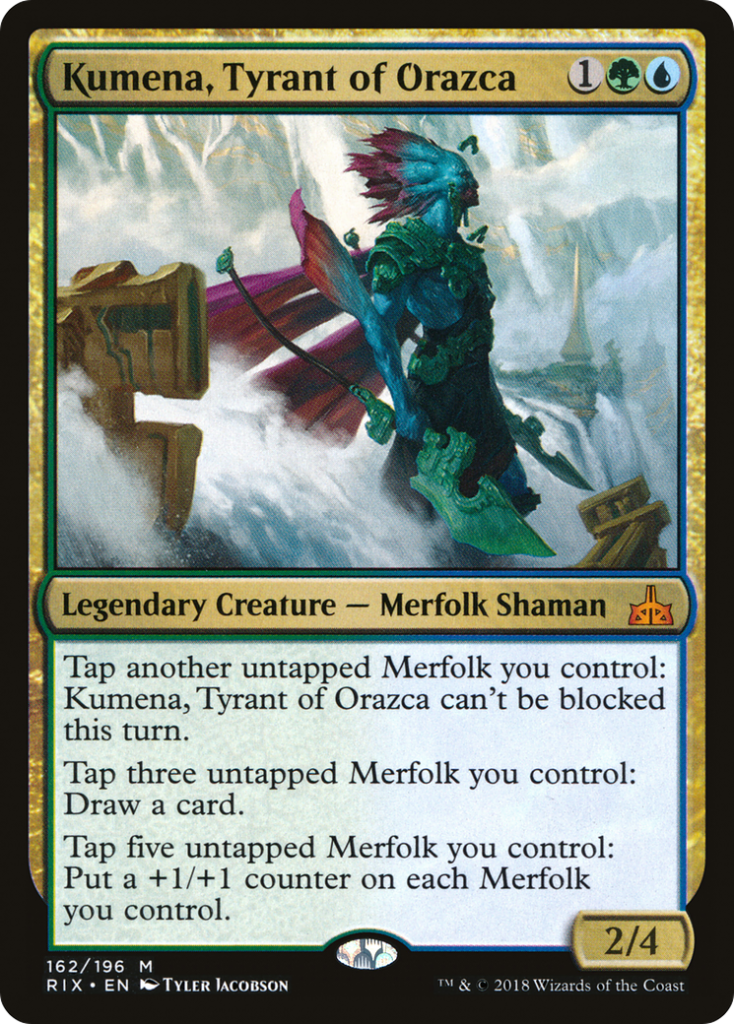
However, a few months passed. I had grown tired of Standard and had more cards at my disposal with which to build a deck (thanks past Rosalia!). So I invested in some Eclipse sleeves with which to start this project, and my Dinosaur deck was revived alongside a completely new creation, taking after my Standard deck: the Axolotl Paradox (named after a card which I didn’t have at time of construction (and is also now banned)).
Playing with these decks with friends and at my Local Game Shop (LGS) managed to revitalise my spirit for playing Magic, as well as igniting my spark for wanting to build for Commander more often. I have kept a full list of deck ideas hidden amongst .txt files on my laptop and my brain seeing cards thinking “That could work really well in Muldrotha/Asmadi/Shu Yun”
I will admit as well…
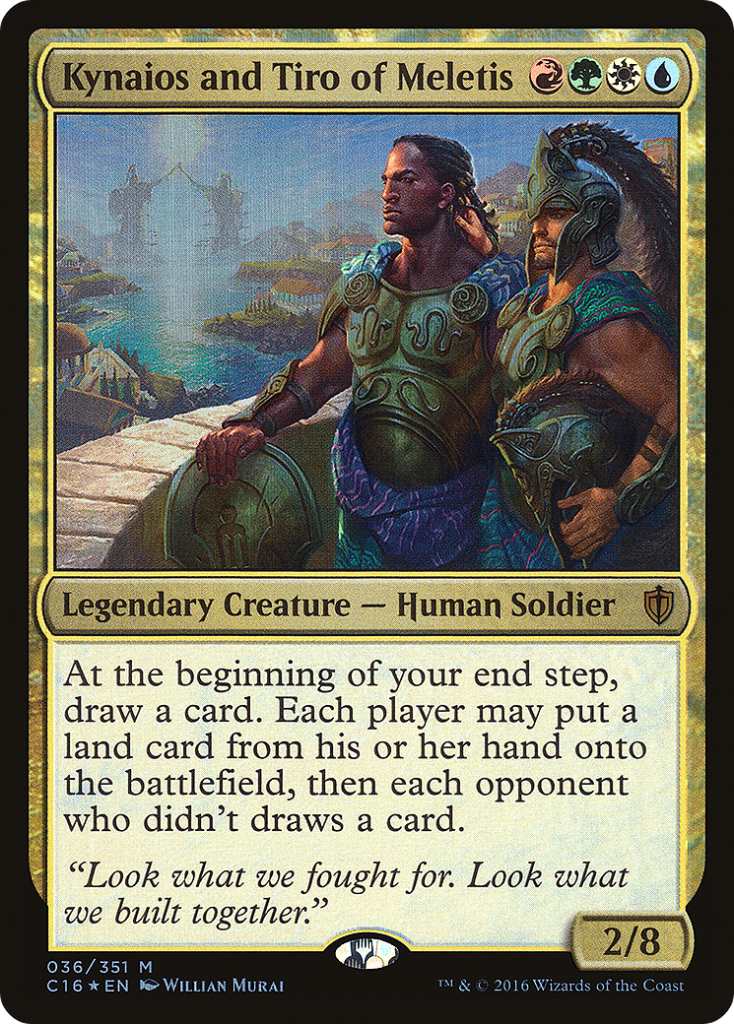
I kinda like playing politics in Commander?
A large aspect of a multiplayer format, like Commander, is being able to make deals/pacts with people in exchange for immunity from effects, or attacks. This can sometimes draw scathing looks from the rest of table if you side with someone already in a good position.
Personally, I like making a deal with someone not to attack them… and then just cast burn spells and removal on them! Because that’s not attacking them, I never said anything about casting stuff.
How easy is it to get into Commander?
Incredibly so!
As mentioned in the intro paragraph, WoTC offer pre-constructed commander decks on a yearly basis. Debates about quality aside, these are the easiest way to get into the format. Just unbox, sleeve, shuffle and you’re ready to go.
If you’re a pre-existing Magic player, it’s likely you already have the components to build a pretty good deck, so you could go down the pre-built route, or you could make your own custom creation.
Struggling to make choices? EDHREC has your back. In my opinion this is the best resource for anything relating to Commander, from card choices to theme ideas and in some cases finding out about cards you never realised existed, but would be perfect for your deck.
If your LGS has singles for sale and a Commander community, go pay a visit. Not only will you be doing an important service by supporting the store, you’re also going to find out more about potential deck ideas, possibly from someone who plays a similar deck to your concept.
 Rosalia Rambles