Good morning blacksmiths and armourers, welcome to Day 49 of Rosalia Rambles Redundancy Review.
Going to be a streak maintainer one today more than anything else. I am still recovering from the amount of travel I had to do yesterday and the lack of sleep has caught up to me hard – to the point I took an unwanted nap after work which really derailed my plans.
But it is Hololive Tuesday, and after the chaos of the VShojo implosion last week, I think it would be nice to talk about something simple.
Bibi is the mascot of Tokayami Towa, of Hololive Japan 4th Generation. For a short bit of background, Towa is an extremely talented singer along with being somewhat cracked at first-person shooter games with Apex Legends being her area of choice.
For her one million subscribers merch back in 2022, she had a plushie of Bibi made, and this rotund blob not only found its way into my heart, but my partner’s heart as well. The image above is from the shelving unit in his room, it does not live on my greater Hololive display, it instead lives in his room cause he loves it so much.
The plush is amazingly squishy, being able to be squeezed tight and return to its shape with minimal fussing, with its shape making it perfect to sit flat on shelves (or cushions in this case) without much worry of them falling over – an issue that plagues a surprisingly high number of Hololive plushies.
This little bastard was one of my earliest merch purchases, and I am so glad it was…
…the scalpers really put the price high on this one.
Thank you for reading a shorter edition of the Redundancy Review. I am going to go rest my body.
Good morning spectres and enigmas, welcome to Day 42 of Rosalia Rambles Redundancy Review.
Six weeks huh? I would say this is the longest I have committed to writing something every day but we hit that point about five weeks ago. It still makes for good daily writing practice, and having somewhere I can keep my thoughts and feelings written down does help unfuck my brain a fair bit.
Which is why today’s topic is: anxiety!
Started off the week with a rant against the government, now I am talking about a debilitating mental health condition – this ramble train has no brakes baby!
Due to ongoing roadworks outside my flat, I found it difficult to sleep in the late hours of night into the early hours of the morning, and during this time I felt a massive spike of anxiety within my system for seemingly no reason at all. What is even more confusing is the cause behind it.
For some reason, I became incredibly worried about money and the viability of my current situation, which, on paper, makes logical sense. Money and upkeep are perfectly reasonable things to worry about at any given time.
But, in the grand scheme of things, I am in a stable situation right now. I might be a contractor but I still have a form of regular income, my partner is in work for the foreseeable future, and as part of the whole redundancy process I reinforced my nest egg by a very healthy amount.
That said, I am someone who just… worries a lot. I worry about my partner, I worry about my former colleagues, and I worry about my friends. It is in my blood to worry… possibly a residual side effect from how much caffeine I imbibe on the daily but that is neither here nor there.
It will probably fade in time, and I at least have a weekend away to look forward to right now. Having some time away from home and a long coach ride to let my brain unwind should be fun, plus being in Glasgow is going to give me plenty of new topics to explore for Redundancy Reviews.
Speaking of, it is Tuesday, which normally means I would be spotlighting something from the Hololive space of Vtubing… but given the events of last night given VShojo utterly imploding on itself, I am instead going to give the spotlight to Ironmouse, talking about a song she has covered in the past and highlighting her current fundraising drive with the Immune Deficiency Foundation.
KING is a song by Vocaloid producer Kanaria, initially brought to life by Vocaloid GUMI but has since taken on a role of being a Vtuber right of passage almost to make a cover of it, with everyone adding their own unique vocal style and flair to make it their own.
With Ironmouse though, she does not do anything by the half-measure, bringing on shirobeats and Sleeping Forest to make a beautiful rendition of the iconic beat mixed with Mouse’s vocal chops and giggles to make an almost addicting sound.
As simple as the techniques used in editing are as well, they help provide an extra amount of impact on certain lines – from turning the screen greyscale to darkening it entirely outside of Mouse’s mesmerising glowing pink eyes.
It is actually one of my favourite versions of KING due to these additional little details, and every person who works on this video deserves full credit for making it that way.
Cheeky thumbnail picture incoming…
And additionally, I am going to be providing a link to Ironmouse’s current campaign on Tiltify for the Immune Deficiency Foundation: https://tiltify.com/@ironmouse/ironmouse
VShojo have been revealed as completely fucking over their talents, and this is a small positive light in the wake of so much darkness coming out of their collapse.
Thank you for reading today’s Redundancy Review, bit of a disjointed one as I wrote it in two different halves of the day, but it fits the bit. I hope you have an easy day and can find some relaxation whenever it comes along.
Good morning doctors and nurses, welcome to Day 29 of Rosalia Rambles Redundancy Review.
Today feels a lot better for me, yesterday I ended up nursing a massive headache that may or may not have been related to caffeine withdrawal but still persisted after having coffee, only going away once I had taken some paracetamol. It could entirely be stress-related as well at the prospect of starting my new job.
I have mixed feelings about going back into QA work so soon, on one hand it is something I know how to basically do in my sleep and my knack for finding bugs accidentally, so I feel happy to be working in something familiar so soon.
But on the other hand, I was actively looking forward to developing a new career in something away from the tech space, even if it would have taken a long time to reach some form of sustainability.
In a way that is why I took the contracting role. My intention is to save a lot of the income I make from that role to build my runway further than I already have, so once it concludes I can navigate myself back on to the path of writing as a career with extra stability.
Hopefully I will also be able to take a break after it is done because god why am I so tired lately, struggling to keep my eyes open right now. Feels weird to say when I am unemployed but the tiredness and sleepiness has been really getting to me lately, even when I am not really doing much in a day.
It will probably improve once I am back into my work routine, rather than just living as a drifter who makes her own schedule – as much as being a gaming NEET has had me catch up on a lot of games I had been meaning to play.
But as I gear back up into the new life of contracting, it would be awesome to take on contract writing roles. If you are reading this and want to hire me, consider getting in touch. I have experience working on training scripts, proposal presentations, and the massive variety of work hosted on this website. Infinitely adaptable, I can apply my expertise to any situation.
It is going to be a bit different of a food review today, as I am reviewing a sauce, but not just any sauce.
A takeaway inspired sauce from Hellmann’s.
Hellmann’s is my personal favourite brand of mayonnaise in the UK, having got me through a lot of different situations and forming one of my core life philosophies when it comes to food: never cheap out on sauces, learnt that the hard way as a student where I used to emaciate cheap mayonnaise with unreal amounts of garlic to try make it taste good.
The sauce they are specifically trying to mimic here is the KFC Supercharger Mayo sauce, a contender for the crown of best sauce from a takeaway right next to Papa John’s special garlic sauce.
So to compare, I set up a side-by-side taste test… not blind unfortunately but you get the idea.
We have Supercharger on the left, and Chilli Charger on the right. To start I can definitely tell them apart based on visuals, whilst Hellmann’s does a very good job of capturing that processed orange look the original has, there are specks of herbs and spices in the Supercharger that set it apart.
As for taste, Supercharger tastes like Supercharger, an incredibly creamy sauce with a good hit of spice. The creaminess likely comes from the fact that KFC mayonnaises are usually made with both eggs and buttermilk – a fact that plays to its advantage in enhancing the flavour at the downside making this not safe for those with dairy intolerances.
Hellmann’s version of the sauce tastes less creamy with around the same kick of spice, I can definitely tell the differences but there is enough similarity that if I were to try it on chicken strips or attempting to make my own version of the Zinger Stacker (my KFC main of choice) I feel it would be a perfect substitute. Unfortunately though the Hellmann’s version of the sauce also contains milk as an allergen due to the cream powder used, making this unsafe for daily intolerances.
The main perk I can see with the Hellmann’s version is accessibility and cost. At time of writing it is 50p to purchase a pot of Supercharger dip which is around 30ml of product, not including the price of awkwardness of buying a bunch of pots of dip. At Asda (not sponsored, just a fan), Hellmann’s Chilli Charger is currently £1.98 for a 250ml bottle, meaning that for the price of one bottle, you could only get 120ml of real Supercharger.
That does it for today, and a more in-depth slash energetic review than yesterday. Thank you for reading today, considering a heatwave is on the way in the UK I hope you can stay cool and hydrated in these coming days.
For more information on both Chilli Charger and other fine Hellmann’s products (not sponsored, just a fan), visit their website here: https://www.hellmanns.com/uk/home.html
Alongside all the different kinds of boosters released with Kaldheim, and continuing what was started with Zendikar Rising, there were two Commander decks released. The one I will be reviewing today is the Green/Black (Golgari) Elf Tribal deck.
For anyone who may be coming in as a Magic player but not as a Commander player, here’s a quick rules rundown:
You start on 40 life as opposed to 20
You have a 100 card singleton deck, with one/two legendary creatures designed as the “Commander” of the deck
The deck must be in the colour identity of the commander (yes, this include hybrid cards, no using a Simic hybrid card in a green deck)
You can cast the commander from the Command zone at any time, paying an n+2 mana cost on top of the card cost, where n is the number of times the commander has been cast this game
Alternate win condition of “Commander Damage”: if a single commander creature deals 21 or more damage to a player over the course of a game, they are eliminated
With that out of the way, let’s dive right in.
Contents
I purchased this deck from the UK based online retailer Chaos Cards (not sponsored, just a fan), and it cost me £19.95. This sealed deck contains the following:
One foil commander card
One sealed 99 card deck
Ten double-sided token cards
One cardboard life wheel (which only goes up to 40 life)
One cardboard deck box able to hold 100 sleeved cards
And one Commander strategy insert
Outside of card value, which will be discussed later on, I think this price point is good for a product to accompany Standard legal sets. Since the decks themselves are not tied to the standard rotation and are instead themed after the set, this provides an avenue for low-medium value reprints to be included for players who may need them.
This price point is also great for players wanting to get into Commander to see how they feel about it. Whilst the ongoing pandemic makes meeting up in groups to play the game incredibly difficult, these being cheaper but less diverse than the annual Commander decks of previous years opens more accessibility to what can be a confusing format. They are almost like the Commander version of Challenger Decks (decks that are built to be standard playable out the box).
Included Commanders
The “face” Commander of this deck is a new card called Lathril, Blade of the Elves. Like a handful of Elf commander creatures before her, she is designed around getting as many Elves onto the field as possible and then using them to activate a powerful ability. Note that her last ability does not count for commander damage purposes. Menace is a good evasion ability to trigger her token generation, and green is not a colour in short supply of buffs or trample to ensure reliable usage of the ability.
However, if Lathril is not to a player’s taste, or if they wish to try something new, there are a couple of other legendary creatures to use instead.
One of these is the recently printed Abomination of Llanowar, from Commander Legends. AoL is one of my personal favourite new legendary cards within the last year, as it provides both an evasion and defensive ability with Menace and Vigilance respectively. Combine this with the fact that its power and toughness will continue to grow as Elves enter and Elves die (minus tokens), and you have a literal Elfball that could oneshot players.
Also included from Commander Legends are the Elf partner commanders, Miara, Thorn of the Glade and Numa, Joraga Chieftain. Miara synergises nicely with Elf token generation, and her ability being a “may” trigger lets players control how much damage they want to take in exchange for cards. Mana is unlikely to be an issue in an Elf deck, both for green ramp and mana dorks.
Numa herself is more focused around this aspect of an Elf deck, as her somewhat steep cost of {X}{X} can give needed buffs to other Elf creatures but will not see massive returns until later on in the game. That said, it can be quite easy to underestimate how much a single +1/+1 for two mana per combat phase can snowball, so keep that in mind as well.
Newly designed cards
Including Lathril there are eight new cards included in this deck, entirely separate from the new cards added in Kaldheim. I will be highlighting a few of the powerful ones and some of the ones I like.
Elderfang Venom is a great card for forcing difficult blocks on opponents using smaller creatures, especially tokens. Either way, an opponent is going to be losing some life out of the combat phase as they will either let the creatures through to their life, or they will be blocking some Elves, killing them off and triggering the second ability.
This lifegain synergises well with Pact of the Serpent, though the main reason I like this card is its potential for versatility. Obviously the intended purpose is sacrificing your life in exchange for cards as a reward for tribal devotion, but it can also qualify as anti-tribal tech, where you play it on another tribal opponent to deplete their life and potentially make them overdraw, forcing them to discard valuable cards.
With a commander focused on token generation, Wolverine Riders provide an incredibly reliable source of Elves to fuel other card’s effects and the generation being on each upkeep keeps a good supply of chump blockers around. Six mana can be quite a steep cost for some but in a deck with a good amount of mana dorks it should not be a major roadblock.
And finally, Bounty of Skemfar is a great alternative to a ramp tutor that integrates well with the tribal theme of the deck. Given the average land composition of a commander deck and the ratio of creature-to-noncreature cards in a tribal deck, it is unlikely that a player would fail to find on either front, and if they do… well, they have my sympathies
Theme booster cards
In a pleasant addition, three cards that would normally be exclusive to Theme and Set boosters are included in this deck, providing an easy avenue for players to acquire them in addition to other high value cards.
Elderfang Ritualist is a great uncommon inclusion, providing a decent power stat on a creature designed to die and allow for high value two-for-one trades. However, the other two cards are of note, especially when compared to other inclusions in the deck.
Canopy Tactician and Elven Ambush are both cards that definitely need to be included in a deck like this. The former is a very relevant anthem effect with an insane amount of ramp in comparison to its cost, and the latter can be used to create chump blockers in a pinch or instant-speed buff something like Abomination of Llanowar.
But then you compare them to Llanowar Tribe and Elvish Promenade, which are also included in this deck. Again, these cards both fit perfectly into a deck like this, especially seeing as Promenade is a high value reprint, but the power creep of recent years is exemplified when you compare them within the same deck, and seeing what cards do more in comparison to mana cost.
Reprints
As mentioned, Elvish Promenade is an incredibly welcome reprint in this deck, with a period of almost seven years having passed since it was last seen (Duel Deck Anthology), and having the reprint being in a widely-available sealed product helps the impact this reprint brings.
Potentially even more welcome is the first-ever reprint of Rhys, the Exiled. Originally printed in Morningtide over twelve years, Rhys is a massive inclusion in a product such as this as he both fits amazingly well within the theme of the deck, and he can potentially act as the commander too.
Arcane Signet and Sol Ring are about as staple to commander as banlist debates but considering both cards average around the $2-3 mark consistently, their inclusion is welcome for players who may need more copies and for players who can use them to make good trades.
And whilst it is nowhere close to being a valuable reprint due how recent its inclusion in Commander Legends was, I do like seeing Path of Ancestry appear. Up until recently it was quite a difficult card to get a hold of at a reasonable price, so seeing a sensible attitude taken to its inclusion in sealed products warms my tribal heart.
Lands
However, such praise cannot be shared for the rest of the land base in this deck. I’d go as far to say that Path of Ancestry is in contention for being the best land in the deck, alongside Command Tower.
29 out of 37 lands in this deck are basic Forest and Swamp cards. Path and Tower make up 2 of the remaining 8 nonbasic lands in this deck, and what do players get in the remaining six lands?
A boring tapland (Foul Orchard)
A boring tapland 2: Golgari Boogaloo (Golgari Guildgate)
A boring tapland that gives one life (Jungle Hollow)
A mono tapland found in the main Kaldheim set (Skemfar Elderhall)
A less boring tapland that has nonetheless been reprinted enough (Golgari Rot Farm)
And a tapland I personally like a lot but using the less good art (Myriad Landscape)
Whilst I understand that this is a budget product and the land base is not likely to have cards such as shock lands or filter lands, there are still some cards that would have fit perfectly in a deck such as this and either not break the budget, or provide another needed reprint:
Unclaimed Territory is a great mana fixing card for tribal decks and trends around the $1-2 mark
Darkbore Pathway/Slitherbore Pathway would be a great way to include the modal double-faced cards that Kaldheim places a lot of emphasis on
Grim Backwoods is not a card in need of a reprint, however it would have brought great diversity and interest to a deck that has the potential to sacrifice Elf tokens for great gain
And finally, Gilt-Leaf Palace is crying out for another reprint. Both Lorwyn and Mystery Booster versions are trending around the $10-11 mark so inclusion in this product would have brought a welcome price reduction
Verdict
Whilst the land base is lacking in many areas, it does not detract from the overall value this product provides. With a few high value reprints, well-designed (if power creepy) original cards, and space for more experienced players to upgrade to their desired specifications, this Kaldheim Commander deck is a fantastic purchase at or around the £20 price tag.
One final bit
This isn’t related to the review or anything, but as I was drafting this review out I wrote the contents section and filled it with a few silly throwaway jokes… problem is I find my own joke here too funny for my own good, so I feel a need to include it here now.
Also this time I used the “Gallery” block quite a bit to make sure all the cards looked good/lined up, as opposed to what I did for my pre-release article. Hopefully it is both clear and nicely laid out for everyone.
After a period of time, sometimes it is best to go back to the core of what made a game great in the first place.
Ace Combat 7: Skies Unknown is an arcade flight combat game and was released in 2019. Developed by the Project Aces division of Bandai Namco could the team capture what made their previous works great, and provide a gameplay experience as a generation of consoles entered their twilight years?
Gameplay
The no-frills core gameplay of previous Ace Combat games is intact, with every plane feeling both tight and responsive to player input while also including enough distinction in how a plane rolls, pitches, and yaws. Adding onto this gameplay are three major control tweaks to give players plenty to master:
Flares, allowing players to deflect imminent missile hits that they may not want to manoeuvre to dodge
High-G Turns, quick responsive turning to conquer obstacles easier and to bleed speed in a dogfight
Post-Stall Manoeuvres (PSMs), advanced mobility techniques on certain planes, allowing for unbelievable manoeuvrability at low speeds
Rather than aircraft being available to unlock after certain milestones, the game now utilises a system called the “Aircraft Tree”. Points are earned after each mission which can be used to buy planes or parts (upgrades to improve mobility, weapons, or provide passive buffs). Unlike previous AC games, planes are unable to be sold to buy new ones, but the addition of Free Mission not requiring campaign completion allows players who wish to push themselves to one particular plane or weapon to earn points by playing the game.
Missions are diverse and well-designed, with the majority of them being built as “easy to clear, hard to master”, giving plenty of replay value for both new and old players alike. Level gimmicks are (mostly) introduced safely to players to allow them to adjust to what is required, and then ramps up their integration as time goes on. None overstay their welcome and can provide needed relief after more intense sequences. The much needed addition of checkpoints also punish players less for making mistakes in the endgame of a mission.
There is online multiplayer in this game. And whilst it is a little disheartening to see that there are no co-operative ground based missions, this fact can easily be overlooked by how powerful multiplayer can make a player feel. Work with up to three other pilots in team deathmatch, coordinating a response against an enemy ace to knock someone down a peg. Stand your ground in an all-out air battle royale, fighting to be the top pilot, all the while missiles are whizzing past in all directions.
Presentation and Sound Design
Built on Unreal Engine 4 the developers put great effort into making sure everything looked spectacular as the previous generation came to a close. Even on a standard PS4 the game looks absolutely beautiful in areas, with advanced lighting providing a fitting mood to each mission. Special mention goes to Simul’s trueSKY plugin, handling clouds, lightning, and god rays coming through said clouds.
Years worth of experience provide an unrivaled level of authenticity to the sound design. Engines, guns, and missiles all have the raw feelings of power that comes from piloting a fighter jet, allowing for full immersion during dogfights. One particular sound design of note I wish to highlight is the Electromagnetic Launcher (EML). The sound of the gun discharging, the whoosh of the high-speed projectile, and the loud bang it creates on impact all work together to provide cathartic feedback to firing a railgun.
And of course, the signature music of Ace Combat remains as fantastic as ever with Keiki Kobayashi acting as lead composer once more. Whilst Kobayashi most certainly carries his weight with some of his best work yet, the track I wish to highlight here is “444” by the wonderfully talented Mitsuhiro Kitadani. To me, this is a perfect amalgam of modern Ace Combat, classic Ace Combat, and fits the mission at hand beautifully.
Again, my thanks and admiration goes out to Zaptroxix. You do amazing work my dude, keep it up.
Plot
Taking place once more in the world of Strangereal (the term for the Ace Combat alternate reality) the game begins with the Kingdom of Erusea declaring war on the Osean Federation, with the former seizing a valuable land asset on their continent, the International Space Elevator. In doing so they also seized control of two superweapons called the “Arsenal Birds”, sweeping airborne aircraft carriers armed to the teeth with advanced weaponry.
Whilst some may claim that it is difficult to understand the story of Skies Unknown without playing previous Ace Combat games, the themes are written well enough to convey their intent to all audiences.
Osea can quickly be deduced as an analogue to the USA, being a large federal nation that has a hand in peacekeeping operations around the world. The Erusean’s declaration of war on Osea being justified by the Space Elevator infringing on the sovereignty of Erusea brings further analogues to countries resenting the heavy hand the USA can have in international matters.
Between mission cutscenes, pre-mission briefings, and mid-mission radio chatter all helps towards world building. Providing alternative insight on events just witnessed by players, giving indirect updates on how the war effort is going and what players are doing to impact it, and how your other squadron members view different situations, providing everything from snarky banter to near-speechless horror.
Debriefing
Ace Combat 7: Skies Unknown has everything for anyone who may be interested. Whilst some minor flaws hold the game back from true perfection, there is enough content for new players to ease themselves in and for veteran players to be welcomed back with open arms.
It is easily my favourite game in the franchise at this current point in time, and I intend to revisit for years to come.
“Did you know… there are three kinds of aces? Those who seek strength. Those who live for pride. And those who can read the tide of battle. Those are the three. And him… He was a true ace.”
Larry “Solo Wing Pixy” Foulke, Ace Combat Zero, 2006
Ace Combat Zero: The Belkan War (released sans Zero in PAL regions) released in 2006 and was developed by the Project Aces division of Bandai Namco. Helmed by first-time creative director Naoto Maeda; can this change in leadership live up to the opening slogan of “New Blood. New Battles”?
Gameplay – Those who seek strength
Being the third and final entry into the PS2 holy trinity the core gameplay continues to be top-notch. Pre-existing issues surrounding the analogue controls of the Dualshock 2 are still present, leading to potential discomfort when needing to consistently hold down the brake or throttle. Everything else remains as tight and responsive as ever.
The cumbersome system of aircraft having a single special weapon is reverted to the tried and true formula of multiple specials on each plane, allowing for greater customisation when deciding both player and wingman loadouts. Wingman plane selection has also been scrapped in favour of having an F-15C at first and later an F-16C. Whilst I did enjoy the customisation aspect of wingman configuration; having such a powerful plane to back you up early game is a massive boon.
Wingman and enemy AI has been improved massively since the last entry. They can reliably target what his current command is, sometimes leaving players quite surprised at how efficiently the battlefield can be cleaned up. Enemy improvements lead to the pinnacle of dogfighting for the PS2 trilogy, with battles against rival Belkan aces being heart-pounding spectacles in the sky.
One of the major gameplay changes in Zero is the introduction of the “Ace Style” gauge. This gauge reacts to a player’s actions during a mission, specifically how they interact with new “Yellow” targets:
Spare and destroy roughly equal numbers of yellows? You are a Soldier, feared for your efficiency and skill in battle
Refuse to target yellows? You are a Knight, famous amongst your rivals for strict adherence to the rules of engagement
Destroy yellows with reckless abandon? You are a Mercenary, reviled for your bloodthristy nature… whilst also being loaded to buy new planes
Whilst the game allows players to select a difficulty that will determine enemy behaviours, and if a plane will explode because of a stiff breeze, Ace Style can also influence difficulty by introducing more targets the further players slide into Mercenary and will change up the rival Ace squadrons encountered during certain missions.
Sound Design – Those who live for pride
Surprising no one, the sound design found in previous entries remains in this game. Engines firing up their afterburners on the runway sound as guttural as ever and the satisfying kaboom of a missile impacting into an enemy plane remains extremely cathartic.
The signature Ace Combat sound is included with the addition of flamenco guitars providing a welcome mix up. This new instrument features heavily in duels against rival aces, increasing the tension as fighters try to tail one another. There is healthy fan debate on whether this game contains long-time composer Keiki Kobayashi’s magnum opus (most significant work), a track appropriately titled “Zero”.
Plot – Those who can read the tide of battle
Rather than the events of the war fifteen years ago being recapped, now it is the player’s turn to actually live those events in the pilot seat of Galm 1, callsign “Cipher”. Cipher is not permanently affiliated with any air force in game, instead the viewing battle through the eyes of a mercenary and how various pilots perceive mercenaries.
Belka is a small principality on the Osean continent, with analogues to 20th century Germany in being an economically struggling country embarking on a rapid expansion campaign leading up to the events of the war. From the early days of liberating occupied territory, to the lighting offensives against key strategic territory, all the way to the worst man-made disaster in Strangereal history (“Strangereal” is the fan-originated term for the alternative reality the numbered Ace Combat games take place in).
Radio chatter continues to be a vital source of information, and will give an insight to your wingman’s perspective on things, with Solo Wing Pixy either offering his insight on a terrible situation or making a snarky comment about having enough experience flying home with one wing.
Between-mission cutscenes now take the angle of a documentary for an Osean news channel, with the reporter conducting interviews with important people who had encountered Cipher. Primarily these are the Belkan aces fought during the game, and therefore cutscenes can change depending on what Ace Style certain missions are tackled with. A large change in these cutscenes are their live-action nature, leaving behind both the watercolour paintings of AC4 and the CGI sequences of AC5
Debriefing – He was a true ace
Improving massively upon the sins of its predecessor Ace Combat Zero takes the arcade style game of the franchise and ramps it up massively with AI improvements for enemy fighters, the Ace Style gauge influencing what planes are unlocked providing massive replayability without feeling forced. Whilst control issues persist, they are not enough to dampen the absolutely awe-inspiring sequences that transpire within game.
Ace Combat 5: The Unsung War (released with the much more inferior subtitle of “Squadron Leader” in PAL regions) is an arcade flight combat simulator developed by the Project Aces division of Namco. After making a huge splash in the PS2’s release year with Shattered Skies in 2001; could the team replicate such success three years later in 2004?
Having been a complete newcomer to this series back in August it still surprises me how much love and praise I have for this franchise, even when there are some rough edges in this particular entry.
On a distant continent, in a faraway land
Starting on the Osean continent in the year 2010, The Unsung War starts solemnly by recapping the events of a war fifteen years ago. During a conflict known as the “Belkan War”, the eponymous Belkans set off seven nuclear detonations on their soil, killing thousands and shocking the world into a ceasefire and eventual peace treaty.
After this, players are directly thrown into the action with a cutscene depicting a sudden encounter and the rookie “nugget” pilots of Sand Island Base needing to engage numerous unidentified bogies. Out of everyone who took off; only the flight instructor, Captain “Heartbreak One” Bartlett , and three nuggets, Blaze (mute, faceless player character), Kei “Edge” Nagase, and Alvin “Chopper” H. Davenport returned alive.
Routine operations resume after this incident. All remaining pilots are assigned to the Wardog Squadron and undertake straightforward missions, such as trying to escort a spy plane to a landing and destroying reconnaissance drones. During each mission though, Wardog is engaged by more unidentified bogies, the only hint to their origin being an airbase across the sea, in the country of Yuktobania.
These are not harmless incidents though, because as soon as Wardog completes only their second sortie Yuktobania declares war on Osea, beginning a lightning offensive.
Key themes to the plot in The Unsung War are mistrust and how rapidly the tide of battle can turn. Whereas the previous entry would frequently present scenarios where victory seems incredibly distant; this game prefers to drip-feed victories before violently taking it away and resetting any meaningful progress.
Mistrust develops from these incidents as both Wardog and players suddenly become unsure of who to trust. From the mysterious 8492nd Squadron, ghosts in the wind around major incidents, to the base commander and other military personnel around Sand Island. Throughout the entire progression of the war, doubts start to manifest, even to the point of wondering why this war began and who is perpetuating it.
A motormouth, an action girl, and a hopeful mechanic
The key characters players will be spending time with throughout the game are their three wingmen. Whilst they serve a gameplay purpose which will be elaborated on later; their characters and personalities are more fleshed out than in Ace Combat 4.
Instead of cut-and-paste mission dialogue talking about how one of them is going to earn their ace wings today, or telling you about their radio failure over their radio, each wingman has their own distinct personality that will come across during missions and between-mission cutscenes.
Chopper is notorious for being a non-stop chatterbox, to the point different commanding officers and AWACS Thunderhead have often asked him to kindly shut up. He even chose his callsign based on having a tendency of “shooting his mouth off” over comms.
Using this gift of speech; he is the loudest anti-war voice of the squadron. Whilst he follows through with the mission, Chopper often questions the nature of war, specifically when following orders would endanger the lives of soldiers and other pilots.
Nagase offers a similar perspective, but she does so in a more restrained way. Whilst Chopper strikes hard into the issue of modern warfare; Nagase simply wishes to enjoy the feeling of flying with equally skilled pilots, lamenting what it would have been like to fly alongside enemy pilots during peacetime.
This wish extends to other parts of her personality. She lodges her objections to the Arkbird, a large white spacefaring vessel initially designed for removing Ulysses asteroid fragments from orbit, being used for wartime purposes instead. These feelings can almost amount to disillusionment as she interrogates the Osean president on why the “beautiful white bird” had to be used for war.
Finally, comes Hans “Archer” Grimm, the replacement as your fourth wingman once Captain Bartlett is no longer in the picture. When he joins, Grimm is not even a fully trained pilot yet, simply a mechanic wishing to stop the destruction of their home base and quickly making up for his lack of formal training in the skies.
Whilst he shares the anti-war opinions of the other wingmen; it is presented in a more subtle way. Grimm instead is shown as an almost ideal soldier, they will follow their orders if legal, and they will want to minimise casualties on both sides in doing so. This detail is expanded upon further through mid-mission radio chatter where Grimm reveals he has a brother on the ground, perhaps worrying about the possibility of never seeing him again.
To cap off characters, talking about the narrator seems like a good idea. As opposed to being a nameless child in an occupied town, the game offers us Albert Genette, a young freelance journalist/photographer. (Fun fact: Genette is one of the first credited roles for all-round badass Matt Mercer.)
Genette fulfils the role of an outside witness to the game’s events, taking photographs of key moments throughout the story, and acting as the catalyst for the reputation of the main characters through his piece “The Four Wings of Sand Island”, written after one of the major opening events of the war.
Planes! You want them, we got 53 of them this time!
Yes, that’s right. Ace Combat 5 has 53 unlockable planes for players. This is a massive upgrade when compared to the total in the previous entry being 21. However, with this many planes there is almost certainly going to be a catch, and in this case it is the progression system being woefully unsatisfying in areas.
Whilst the system is still in place for players to unlock new planes after specific missions; certain planes now carry a varying number of “branches” leading off from the base plane you can buy, said base plane having an empty gauge beneath it. This gauge is the “kill rate” of that plane and fills up with kills and minigame completion. When full, the next plane on the branch is unlocked.
In theory, this system is a good idea. Rewarding players with better tech for just using the planes in missions is a great boon to replayability, but in the end it comes off as feeling grindy and unfulfilling.
A prime example: why commit to the F/A-18 when the F-35 is right there?
Throughout my initial playthrough I found it incredibly difficult to reliably commit to filling up the kill gauge on most planes. Usually because as I came close to unlocking the next branch on one; a better aircraft would have already unlocked and it becomes more worthwhile to invest in that rather than stick to what was already in use.
This feeling of grinding is amplified by what is, in my opinion, the worst part of Ace Combat 5: there are no special weapon options on the planes.
When considering buying a plane, players not only have to take into account the statistics of that plane; they also need to wonder if they will get good usage out of its singular special weapon. This can provide some interesting decisions when deciding wingmen loadout but ultimately it restricts the potential of some amazing in-game planes.
Much like a WSO, gameplay is taking the back seat
In a prime example of quantity over quality, Ace Combat 5 has the most missions out of the PS2 trilogy, but a lot of these missions are bland, unsatisfying, and in some cases poorly designed.
The majority of missions carry very little gameplay weight, ultimately becoming formulaic in the worst possible way. Complex missions from the previous game have been traded in for focusing more on wingmen character development mid-mission, supplying intermittently entertaining dialogue at the cost of feeling engaged with the task at hand.
Instead of leaving players exclaiming, “oh my god! What could happen next?”; quite often they will find themselves asking aloud, “is anything going to happen, or is this it?”.
When a mission is done well, the impact it leaves is noticeable. A handful of ground attack missions (12A and 26 of particular note) stand out beautifully as both intense and being the perfect length, whilst full-scale dogfight missions (17 and 18+) make their mark despite the dogfighting in this game leaving players wanting.
It is honestly a damn shame that the AI in this game can lead to aerial battles feeling sedentary. Unless you specifically lead them on enemy planes will rarely try to get behind players, and when they do acquire a radar lock there is a very high chance that they will just not fire a missile, allowing plenty of time to manoeuvre behind them and quickly pop them with two/three missiles.
That last bit is of note, as some enemy planes are more resilient than others. Now, this makes sense on some attackers/bombers that can be encountered throughout the game… but there is honestly very little reason why Tornados and MiG-31s should have more resilience than Su-47s. The rival ace squadron, in advanced Russian fighter jets, are easier to shoot down than a small European multirole developed in the 70s. This should not be possible.
One of the main selling points for Ace Combat 5 is the wingman command system. Using the D-Pad players are able to issue three tactical orders, and decide whether special weapons are free or safe. The tactical orders are:
Cover. The default order that players start the mission on. Wingmen will stay close to the lead plane and attempt to shoot down anything that attempts to tail them.
Attack. Useful for missions involving large resilient targets or clusters of escaping fighters. Wingmen will target whatever the lead plane is currently looking at.
Disperse. My personal most-used command. Wingmen will spread out from the lead plane and attack targets on their own volition.
Wingman commands are somewhat divisive within the Ace Combat community, and players are split whether they are a gimmick serving no gameplay purpose, or that they add a layer of tactical depth to missions. Personally, despite defaulting to the disperse command, I find myself in agreement with the latter category, enjoying having to make decisions on the fly whether to adjust my command or not.
The D-Pad is also used to answer yes/no questions posed by the wingmen and other NPCs. For the most part these have no impact on gameplay and are mainly used to further build characters throughout missions, though in some cases answering a question about splitting up or focusing firepower will result in wingman tactics automatically changing.
There is also a case where answering yes or no will change what mission is tackled next, and there is no indication this is going to be the case and is honestly a bit stupid.
Before each mission players are able to choose both their plane, and what planes their wingmen will be flying in. A box in the bottom right will inform whether or not the formation is suitable for both the air enemies and ground enemies expected to appear, and a wingman will comment if a formation is not up to snuff.
This is genuinely quite a fun system, as it allows players to determine how they want to play the game and use wingmen loadouts to help cover whatever weaker areas may remain. Want to fly escort for a flight of attackers? You can do that. Fly in a badass formation of jet black Rafales? Go right ahead. Make your wingmen defend you as you use a Warthog for everything? It is your God-given right to do so.
Under pressure (sensitive controls)
So… bit of a confession to preface this segment, when I initially played Ace Combat 4, I actually did it with a Dualshock 1 controller, as opposed to a Dualshock 2. This means my control analysis of the game was a little bit off due to how the pressure sensitivity works on the DS2. I hope to rectify this now.
The pressure sensitive controls for the bumpers do work to bring a level of realism to the game. Lightly holding down L1 will slow the plane gently without deploying the airbrake whilst a firm press down will enable rapid deceleration with said airbrake, and acceleration can be precisely controlled from gradual acceleration to full afterburners.
(NB: the following points are made from personal experiences/controller handling issues)
However, I do wish there was an option to turn this setting off. Quite often I found myself holding the controller in an awkward way to enable flying at full speed with afterburners consistently, leading to mild-to-moderate hand pain. This is not helped by a history of grip issues with controllers, and whilst the DS designs are fairly ergonomic; it is a struggle to balance comfort against efficient gameplay.
Similar issues were found with how extending the radar range worked. The level of pressure on the Square button would determine how far the radar would show, and unfortunately for me I really struggled to get a hold of this system. I would never know if I was applying too much pressure on the controller itself whilst trying to get the radar open, often leading to quick presses to determine where to hit next.
These issues are resolved for me in the digital remaster for the PS4. The superior trigger design of the DS4 controller along with the controls no longer being pressure-sensitive provide an overall better gameplay experience.
(personal experiences points end)
Outside of these issues though, everything else is absolutely spot on. Analogue stick movements control the plane to the letter of the player’s intention, swapping between regular missiles and special weapons is extremely responsive, and changing between third-person, first-person, and cockpit view is handled simply through a quick click of R3.
One minor change that feels a bit illogical is the removal of the satisfying plink plink plink sound that played whenever machine guns were used against enemy planes in AC4. It provided audible feedback that shots were actually hitting the plane players were firing at, but instead this game handles it with standard “Hit” indicators which struggle to consistently indicate if the guns are finding their mark.
The man who can never retire
A major new addition in this game is “Arcade Mode”, a short series of levels with limited ammo, fast-paced objectives, and a choice of progression paths for an easier or harder time. The average playthrough time will be about thirty minutes depending on how many restarts are needed on later missions.
There is also only one plane available for this mode; the F-22 Raptor. This is because players are once again assuming the role of the legendary ace from the previous game, Mobius 1, and nothing else would suffice.
The story is brief, those Young Erusean Officers(TM) have refused to acknowledge the surrender to the Independent State Allied Forces (ISAF) and have reformed under the banner of “Free Erusea”. And the task is for Mobius 1 to go in alone to diffuse this risk to peace.
Yes, alone. Because as the briefing officer says, analysis has proven that Mobius 1, with the assistance of AWACS Sky Eye, has the same operating strength as an entire ISAF squadron. And the high-octane action of this mode definitely proves that.
Whilst the problems with dogfighting will lead to some missions feeling a bit unsatisfying; it almost feels appropriate here. Cleaving through targets with ease fits the legend of the Ribbon Fighter, especially in the first mission where upon seeing Mobius 1 you can see fighters turning around on the radar to run away from him.
The mini-campaign culminates the same way regardless of which route is chosen by players. Assault the port facility Free Erusea are operating out of, after which Mobius 1 is ambushed by unmanned X-02 fighters, the superplane from the previous game. Is it disappointing to have such a dogfight be in this game’s mechanics? Yes. Is it nonetheless fun and cathartic? Also yes.
It also serves a purpose to the campaign mode as finishing an Arcade run will unlock the F-22 for purchase as early as Mission 5, a whole twelve missions before it should unlock, along with making the ISAF livery available for New Game+.
Use this knowledge, and power, with discretion.
A sweeping score for an unsung war
This should come as no surprise. Ace Combat 5 has a fantastic soundtrack, and whilst the quality of missions vary; the music backing them up remains absolutely beautiful and in contention for being the best soundtrack of the PS2 trilogy.
(Again, my thanks to Zaptroxix for making these extended OST videos. You are doing valuable work every day.)
Rendezvous falls into the category of “early game Ace Combat mission with music greater than it has any right to be”, think Blockade in AC4. The track starts off tense, with fast-paced strings playing with brass sounding off every so often, giving the impression that despite the mission starting off at the “end” of an operation; something is about to go down.
Percussion kicks in as the strings increase in intensity, all building towards a crescendo for the chorus to present itself as a perfect accompaniment to an early game furball against enemy fighters and bombers looking to destroy the carriers you were tasked to protect.
Tetsukazu Nakanishi, I bow to your ability to make sonar pings fit perfectly within a song.
Both Scinfaxi and Hrimfaxi (the superweapon subs in the game) share leitmotifs and composition structure in their themes, so why does Hrimfaxi win out here?
Scinfaxi projects an aura of unease, unsure as to what the true capabilities of the sub might be. It starts out slow, with string scales and the aforementioned sonar pings before transitioning into a brass section that will fade in and out as the song progresses, everything soon cutting out as all that remains are synths and sonar, anticipating what the sub may do next.
Hrimfaxi throws all pretence and preamble aside, instead choosing to open with the signature sonar ping before launching into a distorted electric guitar with the string scales taking a back seat. Whereas Scinfaxi wanted to create tension; Hrimfaxi is creating despair. Wardog are not enjoying the same tactical support they had in the last encounter, and if Hrimfaxi cannot support the Yuke frontline they will do everything in their power to go down fighting.
Admittedly though, this guitar is also probably in contention with the solo from Comona (AC4) in how hard it goes throughout the song. It very rarely breaks off aside from the shared synth and sonar section from Scinfaxi, acting as amazing boss battle music as planes strafe the large sub.
Spoilers in the next section
The war is over. With the threat of nuclear annihilation abated, the Ghosts of Razgriz can finally rest.
Or they would, if the orbital cannon carrying said nuke was not on a collision course with the Osean capital city of Oured.
As their final sortie, the heroes take off from city highways to fly out towards the SOLG. Dispatching elite Belkan air force aces on the way and eventually reaching the massive structure as it descends to a vulnerable altitude. And then the music kicks in.
The Unsung War conveys multiple emotions. Sadness that no one will know the true story of the Ghosts until they have long since faded from memory, a sense of duty in carrying out this one last mission despite the struggles faced previously, triumph knowing a new dawn will come as they end this war for good on New Year’s Eve.
The way the song progresses reflects how a player might be feeling throughout this mission. Four pilots, officially listed as killed in action weeks ago, take on a task they can never be recognised for. A single male voice comes in, singing the legend of the Razgriz, reflecting how alone these pilots may be in their task.
But before long, a female voice joins in, and over time there are more voices added to the choir with the singing growing in intensity. The Ghosts are not alone. Everyone who has looked up to the sky and saw the black shadows zooming by are with them. They cannot be there in person, but they can add their spirit to wish them victory.
“After a period of slumber, Razgriz returns. This time, a hero.”
My only criticism? It does not have a fitting mission to go alongside it. Destroying the SOLG is impactful, but it has the structural integrity of a toilet paper loincloth and after the Belkan fighters are eliminated; there are no threats to players aside from accidentally flying into the SOLG.
…and despite my tendency to fly into slow moving objects in this game I somehow managed not to do that.
Debriefing
Ace Combat 5: The Unsung War is an amazing game and a worthy entry into the Ace Combat franchise. Whilst unnecessary mechanics and potential control issues do have some impact on the core game itself; there is still infinite replayability to be had and hours of fun awaiting players. It is definitely the weakest entry in the PS2 holy trinity by a wide margin, but when it hits its stride there is the signature Project Aces love and dedication to their craft.
If you have a PS2, it is usually quite easy to find a secondhand copy online or at trade-in shops. If you have a UK registered PSN account, buying a Digital Deluxe edition of Ace Combat 7: Skies Unknown will bag you a digital copy of AC5, which comes with enhanced resolution, better controls, and trophy support.
And believe me, when the time is right, I will be tackling the absolute beast that is Ace Combat 7. But before that, someone needs to go check if their buddy is still alive.
Personal note
Hey everyone. I’ve tried out some new techniques with this review. Rather than the usual “Plot, Gameplay, Controls” heading I’ve tried to make them a bit more entertaining and engaging whilst also relating to the content I wanted to discuss in various sections. I’ve also limited my usage of addressing the reader directly to try give this review a bit more objectivity and provide a more neutral sort of vibe.
If you have any feedback on how these things feel to you, I’d love to hear it, as coming up with different section headings was pretty fun.
And, again, I want to express thanks to my friend Clara. Without her I wouldn’t be playing Ace Combat today and would have missed out on so many amazing games. I appreciate you massively. (Follow her at @ClaraDotH on Twitter for progress on her own arcade flight game.)
Ratchet and Clank, a re-imagining of the original 2002 game, was released in 2016 coinciding with a tie-in film by Rainmaker Studios. And for the purposes of this review, yes, I am going to be specifically using the term “re-imagining” to describe this game because honestly, there is not enough of the old game intact to consider this a remake.
I definitely enjoyed my time playing through this game, it has got the staple action platformer gameplay that I’ve come to expect from the franchise, with quality platforming sections, side tasks on various planets, and hidden collectibles placed within levels.
But… there is no soul. Any of the slapstick comedy of previous entries has been removed in favour of a persistent and unfunny narrator, no interactions with characters who will be here for one world and then gone the next, and most egregiously, there is no real interpersonal conflict between any of the characters.
Whilst the original Ratchet and Clank had a story reminiscent of traditional buddy cop films, the interactions between the two characters felt real and there was a distinct arc in the development of their relationship. Ratchet may have had a bit of an abrasive personality, but this contributed to the conflicts experienced by the duo.
Story and Characters
As opposed to the premise of “individual wants to escape from planet they’ve been stuck on for years”; the re-imagining begins with Ratchet going to try outs for the Galactic Rangers, because he’s always wanted to be a hero.
The Rangers this time are not green robots with entertaining dialogue and interactions, they are instead a group of characters with minimal introduction and development throughout the game:
Cora Veralux, youngest ranger to ever be recruited and native of Novalis (that is most of her development by the way, she gets one moody scene apart from this)
Brax Lectrus, a brash ranger who prefers the all guns blazing approach as opposed to thinking out methodical plans (no development whatsoever and no missions with him as support)
Elaris, the technical support and strategist of the rangers, who aside from making one plan at the end, is never really seen, and is only heard briefly in cutscenes/mission dialogue
They are all lead by the greatest superhero the galaxy has ever known…
Captain Qwark.
And no, I am not giving him an over the top intro, because frankly this version of Qwark is a toothless parody of a character who was already supposed to be satirical. The main point of his character is that he is a superhero who likes to take credit for the work that other people do, driven by vanity and greed.
In the confused identity this game has, there is not really any clear characterisation for him and plot reveals involving him are incredibly lazy. He is jealous because Ratchet comes on the scene and starts stealing his thunder… and none of this is foreshadowed or explained up until the end of the game.
Even the villains are disappointing this time around, which is incredibly disheartening to say considering this game both has the character and original voice talent of Doctor Nefarious (Armin Shimerman). Nefarious is supposed to be over-the-top, with ridiculous lines and crazy character moments…
…and aside from a few cutscenes and some dialogue on a planet, the doctor is never heard from until the end of the game, where he suddenly fulfils the role of primary antagonist and even then, aside from a single throwaway line that gave me a chuckle, there isn’t anything redeeming about this development.
And Drek.
Chairman Drek.
The evil ultra-capitalist from the first game, with a deep, guttural, intimidating voice that made any cutscene imposing despite his short stature has been completely ruined. There is no mystery or motivation to his plans this time round, what was once an impactful reveal at the end of the original is now relegated to a brief gag in one of the first cutscenes in the game. Aside from barking orders over comms and making a few threats to his military; there is not really anything there to show a player he means business.
Finally, the dynamic duo themselves, Ratchet and Clank barely have any meaningful interactions during cutscenes. Before cutscenes involving talking to NPCs were dynamic, you could see the two emoting, having body language sell what the current scenario means to either of them, and most importantly, they’d actually look at each other and have a proper conversation about the events that just transpired. Now it boils down to a character saying, “It would be a good idea to check out Planet X!” and the other going “Yeah, fine by me.”
Like I said before, there is no interpersonal conflict, and even when the game presents the potential of conflict, it is resolved as quickly as it appears.
Weapons
Coming in with a modest 14 weapons the re-imagined game does not have the largest roster of any game, but it comes close to matching the 15 weapons found in the original game. Despite this though only two weapons from the original are updated for this game, the rest are either originals or taken from other entries into the series.
Whilst the weapons are all functioning and fun to use, it would’ve been cool to see what the Blaster as a modern-style Ratchet and Clank weapon would be like, or seen the potential of the PS4 be put to good use by re-imagining what the iconic Visibomb Gun could do.
This does not necessarily mean any of the new designs are bad per say, one of my favourite weapons throughout the game was a completely original weapon, the Proton Drum. An area-of-effect weapon that launches out a large orb in a parabolic arc that is then deployed and sends shockwaves to nearby enemies, decimating crowds and softening up larger targets for finishing blows. Its upgrade incorporates bolts of lightning that will shock specific enemies for even more damage.
The other new design in the game is a weapon known as the Pixelizer, the obligatory shotgun style weapon found in most games starting in 2 with the Blitz Gun. In this iteration enemies hit by the Pixelizer have a very amusing filter placed over their model which makes them looks incredibly low fidelity, which then causes them to shatter into cube shaped pixels upon death.
Although the concept of the weapon is fun enough, and it is certainly massively damaging in close proximity, but for me it also lacked the bite that shotgun weapons need to have, there is no loud BANG followed by a click, there are only pixelized bleeps and bloops.
It’s a bit hard to show the Buzz Blades off, just imagine all those red lines amplified
Out of all the designs to return from another game, the one I ended up enjoying the most were the Buzz Blades. Fulfilling a similar role to the Disc Blade Gun from the third game, the main purpose of this gun is fast firing ricocheting projectiles that can bounce through crowds and tear apart larger enemies with some sustained fire making it a staple weapon in my arsenal right up until the end.
However, none of these weapons compare to the sheer joy that I encountered when I got to fire this game’s iteration of the R.Y.N.O. For context, I have currently not finished any of the PS3 Ratchet games, I am currently playing Tools of Destruction when I visit a friend, but I have barely scratched the surface of that game.
This meant that when I first got the R.Y.N.O, I saw the absolutely massive initial ammo count of 1000, and wondered “Why the hell does it need that much?”
Then I held down the trigger.
And everything made sense, because this is the first time I’ve had the experience of the R.Y.N.O playing an overture for me as I fire. And it gave me happy fuzzy feels I did not think were possible after playing through the story of this game. It is also immensely powerful, making enemies and bosses crumple before the unstoppable barrage of high explosive missiles, being able to take out the final boss in just over a minute.
With the R.Y.N.O in tow, the only one they fear is you.
Gameplay
Before I move onto discussing new and returning gameplay, please join me in a moment of silence for the levels lost to this re-imagined world:
Planet Eudora, the logging site for Drek’s new planet
Planet Umbris, a fantastic gauntlet with challenging mechanics
Planet Orxon, the actual Blarg homeworld that Drek polluted
Planet Hoven, a high stakes race to destroy a planet busting bomb
Gemlik Base, the best level in the original game, atmospheric, gorgeous, and providing closure on a game long arc
Planet Oltanis, a Ratchet only challenge due to Clank being vulnerable to the raging storm around you
Planet Quartu (the good one), a two-part planet home to the origin of Giant Clank and an incredibly moving scene with Clank
Drek’s Fleet, the penultimate level which features both stealth and action segments as you jump between ships
The return to Veldin, a terrifying chase to save your homeworld
Gone, but never forgotten you beautiful level
For the levels that remain, they are mostly intact. A lot of the level design for returning planets is lifted straight from the original game, with tweaks in some areas and some getting complete overhauls like Planet Gaspar. Quartu is completely redone from the ground up to tie in with the new lore and the Deplanetizer is now its own self-contained level.
In line with the source material, Gold Bolts are a hidden collectible, scattered throughout levels in locations old and new. Unlike the source material however, these are not used for unlocking superior Golden Weapons upon completion of the game/finding the hidden area in Gemlik base.
They are instead used for unlocking things in the “Extras” menu such as screen filters, head, armour, and ship styles, concept art galleries and cheats, including Infinite Ammo and Invincibility at 27 and 28 bolts respectively. Additionally they are used to unlock more hangars in the “Insomniac Museum”, which, whilst a cute addition in the style of a museum to the franchise; it doesn’t have the same charm as the in-depth developer comments older museums had.
A new collectible to this game are the “Holocards”, collectible cards that can be dropped by enemies and found in card packs around the galaxy. Holocard sets come in threes and completing a set will reward you with a passive income bonus, a buff to your Omniwrench damage, or the ability to unlock the “Omega” versions of weapons whilst in Challenge Mode. Holocards are also the way the R.Y.N.O is obtained in this game, as you need all nine R.Y.N.O holocards to have the full plans to construct it.
The latter of these is at least enjoyable, as all the cards are either hidden in obscure locations or as reward for completing a difficult challenge, and since the last one isn’t obtainable right before the end of the game you don’t become all powerful too early on.
My one gripe with holocards is that once you have completed all the sets; there is not really any use for the duplicate cards that continue to drop and all the packs that respawn per playthrough, no way to trade them in for something else.
A similar complaint can be said for the other currency of the game, Raritanium. Found in hidden deposits throughout levels and sometimes dropped by enemies, the glowing rocks are used in a returning mechanic from the Future series, being used to upgrade your weapons. Each weapon has its own map of hex tiles that unlock a certain buff when purchased with raritanium, including “secret upgrades” that are only unlocked when all hex tiles surrounding them are bought.
What is cute is that each upgrade map when completed forms a little image relating to the weapon itself, like a flame for the Pyrocitor, a buzz blade for the Buzz Blades, and an ominous skull-and-crossbones for the R.Y.N.O. Though as mentioned, once you have completed all upgrade maps for all weapons, the utility of raritanium takes a complete nosedive, leaving you with a stockpile in the hundreds as you obtain even more from blasting enemies.
All weapons, as is franchise staple, can be upgraded through use going through 5 levels and turning into a more powerful form upon reaching that 5th level. In this game only damage/duration is upgraded upon level up, with more upgrade hexes unlocking to enhance ammo, rate of fire and additional effects to be chosen at the player’s leisure.
This next complaint is a bit more personal to me, especially as someone who made an effort to mention this in every previous Ratchet and Clank review but…
Why does this game run at 30fps? It baffles me completely, every previous game through the PS2 and PS3 ran at 60fps with dips in the only most exceptional of circumstances. I managed to make this game start to chug when just using the Pyrocitor on a crowd of enemies, I would rather see a downgrade on the fancy new graphics to get a solid, stable, 60fps. (Reference: played on an original PS4. Have not conducted framerate tests on PS4 Pro hardware)
Clank levels returned, but only in his small on foot form as the locations where Giant Clank would have been used have been cut from the game. The Gadgebot variety has been changed from the original game with no options to use them for attacking or entering gates.
Instead now Clank can take any Gadgebot and reprogram it to being one of three options:
Springbot, allowing Clank to jump to ledges he could not normally reach
Powerbot, provide electricity to machinery to open the path
Bridgebot, extend a bridge across hazardous pits
Using these bots there were quite a few clever scenarios and puzzles during these Clank segments, including one near the end of the game where I was properly stuck for a moment before figuring it out.
The time for the trophy is under 1:35…
Hard work and determination (and loud swearing) paid off in the end
Returning from the original game are the hoverboard races on Rilgar and Kaleebo III. Both planets now have three levels of race to compete in, Bronze, Silver, and Gold. The difference between these tends to be the number of explosive crates placed on the track, throughout my multiple attempts trying to attain the trophies for these tracks, I did not notice any improvements to the AI.
New to this game are that you do not need an item to perform tricks to earn boosts, this ability is unlocked right out the gate. And believe me, you will need to use this ability religiously in the time trial trophies in order to keep a good amount of boost ongoing.
Most gadgets return from the original game, minus the Sonic Summoner from winning the Rilgar hoverboard race, the Metal Detector from destroying the Blarg Warships on Batalia, and the PDA purchased on Oltanis.
The Swingshot is now unlocked from the beginning of the game, and functions in the exact same way as in all entries, allowing you to swing from and pull yourself to grapple points
The Hydrodisplacer retains its function of allowing you to fill/drain areas to proceed
The Hologuise now takes the form of Captain Qwark to infiltrate the Deplanetizer as opposed to Quartu
Magneboots and Grind Boots return for traversing ionised surfaces and grind rails respectively
And Clank can obtain all his pack upgrades, with the Power Slam from the Thruster Pack being replaced with the ability to turn heavier bolt cranks
In addition to all these, the Trespasser also makes it return in a slightly upgraded form. After reaching a certain point of progression in game you gain the ability to toggle trespasser rings on and off, a feature which is essential in some puzzles but also gives you the ability to declutter the interface and look at a puzzle in a different way.
However, unless you are bothered about getting the trophy for completing all Trespasser puzzles… the gadget is essentially moot, as now by pressing Square you can have the puzzle autocomplete itself for the penalty of not being able to earn the trophy and missing out on the bolts completing the puzzle normally would get.
New to the game is the XK-81 Jetpack obtained on Planet Gaspar. Used in a handful of specifically locations, the jetpack plays mechanically similar to the Levitator in Ratchet and Clank 2, having fuel that you use to propel yourself upwards. In any jetpack enabled level you essentially now have sandbox levels of movement around the level, best shown in the area where it is obtained with wide open spaces and distant landmarks to discover.
Controls
As much as I take issue with various points of the game, the one area I cannot really fault anything are the controls. All aspects of the game control perfectly in my opinion, Ratchet’s movement is responsive, strafing and jumping side to side during combat still feels as great all these years later, and the Hydro Pack is even unlocked from the beginning to make swimming segments easier (partially because the planet where you would normally obtain it got cut).
Aside from the previously mentioned feature of turning more difficult bolt cranks, the Heli-Pack and Thruster Pack function closer to how they work in later Ratchet and Clank games, it being closer to a personal preference than an edge during gameplay. As usual, once unlocked, I stayed with the Thruster Pack. I can never betray my roots.
Returning from the original game are a handful of ship combat levels, with each usually introducing a gimmick to add diversity to them. This can be using a magnetic grapple on your ship to launch warbots into a warship, using newly acquired rockets to damage large vessels that are immune to your machine gun, or being stuck in a tractor beam with your movement stick now controlling your reticle to shoot down homing missiles.
Aside from a few issues when it comes to turning around with the ship in tight spaces, I encountered no major issues with the controls here, and none of the gimmicks were too high of a difficulty spike, introducing the right amount of additional challenge into each encounter.
Music
This is a section I haven’t really covered in any of my previous Ratchet and Clank reviews, but as this game is specifically being based off a game with an absolutely banging and iconic soundtrack, I need to use the opportunity presented to me to say the music in this re-imagined version is not only considerably worse than the source material, it is bland in isolation.
Iconic tracks such as Metropolis and Blackwater City have been dropped in favour of generic orchestral scores, sometimes overlaid with harsh electronic beats during more intense combat segments. There is no identity or impact to the music, and that is honestly a bit sad, considering the potential for remixes or remastered music to set the nostalgia neurons throbbing.
Conclusion
Ratchet and Clank (PS4) is a solid action platformer, with great weapons, fast-paced gameplay, and an overall enjoyable experience in isolation. However, when compared to what came before it, it is a hollow shell trying to find an identity in between being a re-imagining of the first game, trying to tie into a film, and trying to make you care about the characters within the game without any of the development that went into previous entries.
In all honesty the film is probably what lead to this identity crisis the game seems to have, in place of cutscenes sometimes there are direct sequences ripped straight from the film, except that these scenes sometimes don’t have the context of what happened previously in the film, so events and actions can sometimes come out of the blue completely.
It would have been awesome to see what Insomniac could’ve done if the brief was just “remake the first game for PS4, add in content that may have been cut, expand on old weapons in the new upgradeable style”. Instead what we got almost reeks of a soulless, corporate cash-in for a film that barely got off the ground (which, yes, I will be discussing at some point).
This review was honestly painful to write in some segments, because for all my criticisms and gripes, I genuinely enjoyed playing through this game. And if it were not for a slightly annoying trophy I am still trying to get, I have got the Platinum trophy for this game, I did everything on offer.
Because it is a Ratchet and Clank game, a franchise incredibly dear to my heart, and it is just sad to see what “re-imagining” the game did to the heart that was in the original. From the footage I have seen so far though, Rifts Apart seems to be a return to form, all we can do is wait and see.
If you are a fan of the franchise and you can find this game cheap enough, I kind of do recommend it as a one-off experience. You will still find some joy to be had in some segments and weapons.
But for me, the ultimate test is if I want to go back to replay this game on a fresh save like I’ve done with so many games previous… and sadly, I don’t think I’ll be revisiting this one for a while yet.
Ratchet: Deadlocked (or Ratchet: Gladiator in Europe, Australia, and South Africa) was released in 2005, and was the last game in the franchise developed by Insomniac to be released on PS2 as two years after this they would make the leap to the next generation with the Future games. There were two more games in the franchise to see PS2 releases, but they were:
Developed by High Impact Games as opposed to Insomniac
And were of… dubious quality
Now in charge of the Starship Phoenix from the third game; Ratchet receives a call from Sasha talking about recent hero disappearances, being linked to an underground televised competition called “DreadZone” (referred to as DZ from now on), with DZ drones teleporting aboard the ship to bring Ratchet, Clank, and Big Al into their custody.
They are transported to the DZ Space Station, where all three are fitted with collars that are set to detonate if they try to escape, refuse to participate in DZ challenges, or, as antagonist Gleeman Vox puts it “become boring”. Unlike previous entries, Clank now serves as Ratchet’s support as he competes in arenas and challenges, with two support droids named Merc and Green acting as utility and fire support during gameplay.
The two bots share some banter between each other and observations on whatever situation Ratchet has gotten himself into, which can be entertaining in some scenarios. But much like the commentary from DZ presenters Dallas and Juanita, lines start to get repeated fairly early on, to the point I was able to recite a line fully before it finished in game.
Deadlocked is a radical departure from the action platforming gameplay of the original trilogy, instead focusing more on gunplay and vehicle sections, with the traditional open planets also being scrapped in favour of individual missions on both the DZ Station and planets across the Shadow Sector. I sometimes jokingly refer to this game as “Ratchet’s response to Halo” because of this shift.
Weapons
Despite a greater focus on gunplay; Deadlocked features less weapons than the first game of the series. Whilst the original game had 14 weapons, with sequels increasing this number as well as featuring legacy weapons to fill out the roster, this game has 10 weapons, 2 of which are derivative of legacy weapons, meaning there is technically only 8 original weapons included.
Part of the starting line up includes the Dual Vipers, two rapid-fire submachine guns perfect for crowd control against smaller mobs. However, unlike the rapid-fire weapons of previous entries, the low damage of the Viper rounds will quickly become a detriment as more powerful enemies are introduced to DZ challenges. They do find some utility as a weapon for the best chance of applying debuffs to resilient enemies using Omega Mods.
A returning weapon is the Miniturret Launcher from R&C2, which does find a new lease of life in the more action-oriented scenarios of Deadlocked. Whilst all games put a focus on using your mobility to be decrease your likelihood of being hit Deadlocked provides areas and corridors where a defensive strategy paired with mobility will win the day, which is where this weapon shines. Its upgraded form also diverts away from its origin, becoming a focused laser turret instead of a beefier rocket turret.
And as with all games, there is a R.Y.N.O-style weapon, both expensive and devastating, this time called the Harbinger. The operation of this is pretty unique compared to other variants of the R.Y.N.O, the Harbinger will fire rockets that paint targeting lasers onto the ground, at which point cannons will rain death from above, annihilating everything these enemies know and love. The upgraded version, known as the SuperNova, instead uses these targeting lasers to go Armageddon on your foes, showering them with meteors which leave behind impact craters.
Usually with my Ratchet-based content, I leave the R.Y.N.O equivalent to last, as it is usually the most powerful weapon in the game. This time, I am speaking with my bias and spreading the good word of my favourite weapon in this game: the Scorpion/Leviathan Flail.
Normally, melee weapons outside of the Omniwrench do not tend to interest me. The Walloper is underwhelming compared to even the wrench itself, and the Plasma Whip is boring until upgraded.
The Flail takes all my expectations of a melee weapon and blows them out of the water. With the ability to handle crowds of mobs, small to medium enemies, and even some bosses the Flail offers the more daring user an interesting way to handle enemies close up as opposed to this games shotgun-equivalent, with it earning a mod on level-up to the Leviathan Flail that allows Ratchet to heal from the damage he deals to enemies mitigating the risk.
It has been mentioned briefly throughout this section, but weapon modifications are greatly expanded compared to previous games, with mods comprising of two categories this time round: Alpha Mods and Omega Mods.
Omega Mods are one per weapon, adding either an elemental aspect to the weapon or a potential debuff, and must be brought from the weapon vendor
Alpha Mods are up to a total of ten per weapon, and are earned as a weapon levels up with the option to purchase new mods in Challenge Mode
My advice? Put Shock on everything. Even with the low damage weapons Shock can turn the higher difficulties of the game into a complete cakewalk, and in the right scenarios can make your PS2 cry from slowdown as it struggles to render explosions, lightning effects and enemy bits flying everywhere as you rip and tear until it is done.
Gameplay
DZ Space Station acts as your hub level, this is where you start the game and return to after earning enough medals from completing challenges on other planets. Most plot progression fights/tournaments take place here and this is also where you can buy new weapons, upgrades, and cosmetics for your combat bots. There is also a little podium where you can check your DZ ranking against other contestants, who you never see so it is a bit pointless. Clank is also situated at this station and he serves no purpose except for cutscenes.
As mentioned, the game has done away with exploration on planets, with the form of challenges taking its place. Each planet has between 3-7 primary challenges which are needed to earn medals to participate in the progression tournaments, and 1-3 secondary challenges unlocked after completing the primary challenges on most planets. Secondary challenges are mainly for bolts and “DreadPoints”, a minimum of which are needed to advance to other planets.
Hidden collectibles such as gold/platinum bolts are not included in this entry, instead the skill point system is expanded upon from previous games, with each planet having 15 total skill points to earn and earning bolts when one is achieved. The criteria for these can vary with some persisting themes:
Complete a challenge on X difficulty level
Defeat X number of enemies with Y weapon
Defeat X number of enemies within Y timeframe
Complete a challenge without healing/taking damage
Complete a challenge within X timeframe
Inflict X amount of debuffs with Omega Mods
All the criteria for the skill points are clearly described in the list for each planet, so achieving them is not the same as completing the obscure tasks required of you in previous entries.
Like previous entries however they are still used for unlocking cheats, most of which are aesthetic minus 3 which add mods to your wrench and vehicle or give Ratchet a Ninja skin which improves his speed and physical capabilities. The aesthetic cheats range from changing the colours on your HUD, adding permanent weather effects to the world around you, or letting you hold one Dual Viper sideways to look more badass.
The game’s presentation definitely shifted more towards darker colour palettes to fit the themes of the game more, thankfully this doesn’t lead into the mid-2000s territory of “everything is brown and dreary” as there is diversity in colours used, the overall aesthetic is just edgier. And as usual, the game runs at 60fps if you are not torturing it with Shock mod.
There are some options for exploration within missions themselves, though this normally just leads to more of a certain type of enemy needed to fulfil a skill point, or a Jackpot crate which is just filled with a lot of bolts.
RPG elements present in previous games remained, with XP being used to upgrade your health and weapons once more. Weapons can go up to Level 10 on a first playthrough, and once upgraded to a “Mega” variant in Challenge Mode can be levelled all the way up to Level 99.
For the first time in the series, you were able to set your difficulty before loading up your save file, ranging from “Couch Potato” (1 star), going through “Contestant” (2 stars), “Gladiator” (3 stars), “Hero” (4 stars), and finally reaching “Exterminator” (5 stars) being unlocked upon completion of the game. My recommendation is Contestant if you are new to the franchise and going up if you want a challenge. Coach Potato is way too mindless to be fun at points in my opinion.
Oh hey, a Naughty Dog reference
Armour is unlocked through gameplay progression this time round, but all it does is offer a visual bonus with no impact on damage reduction. To this end you could be better off using one of the many skins that can be unlocked in the extras menu using the stars earned from completing challenges.
Due to the gunplay taking centre-stage, there are actually very few gadgets Ratchet himself can use this time, any and all gadget play is relegated to the combat bots who can be commanded to use gadgets with the D-Pad, making sections of them using something like the Hacker Ray more like an escort mission than anything else.
Vehicles now form a more integral part of the game, with multiple primary and secondary challenges putting you in control of one of four different vehicle options, three of which are returning/revamped.
Returning from the previous game is the Hovership. With more refined controls than the previous entry and a slightly expanded arsenal, in addition to a damaging primary cannon there are now missiles that can be locked onto multiple enemies at once making it useful for dealing with both ground and airborne threats.
Also returning but in a slightly adjusted form is the Hoverbike, last seen in R&C2. Whereas the Megacorp hoverbikes are more geared towards racing around tracks the DZ hoverbikes are more combat-focused, being able to strafe and having machine guns mounted on the front for skirmishes. Challenges centred around the bike tend to be more focused on speed.
Building on the foundation of the Turbo Slider from R&C2, the Puma is a vehicle that has good speed capabilities paired with good offensive capabilities, equipped with machine guns on the front of the car if simple roadkill isn’t enough for you, and a more powerful energy cannon mounted on the top that can be aimed by a passenger.
Finally, and completely original to this game, is the Landstalker. A quadrupedal walking tank, again equipped with machine guns but now also carrying plasma mortars that can be locked onto enemies before firing, allowing you to either eliminate a handful of medium enemies or concentrate your firepower on one large target. The Landstalker is often used in auto-walking target gallery challenges, requiring you to earn a specific number of points before reaching the end.
Multiplayer was included again with it encompassing more of the game. The main campaign could now be played entirely cooperatively, with you and your partner gaining access to the gadgets your combat bots would use normally, and there was competitive multiplayer with an online mode that lasted until 2012 when the PS2 servers were shut down. If anything, I just love that this is another way the PS2 enjoyed such a long active lifespan as a console.
Controls
There is not much to comment on regarding the controls this time round, as Insomniac continued to use the fantastic system that had practically perfected with R&C3. There is no Clank this time around for thruster pack moves so everything is solely on Ratchet who controls the same as before, strafing and flipping from side-to-side during combat feels good to use.
The Puma and Hovership control practically identical to their previous iterations, with some tightening of the Puma’s controls to adjust for the fact it is used for racing style missions now. The Hoverbike feels slightly floatier and not as tight to control as I would want it to be, but for the few missions where it sees use this is not much to complain about.
And the Landstalker is… alright. Being heavy artillery, it is obviously a slow-moving vehicle, with some options for mobility in the fact it can leap to dodge out of the way or move towards a goal faster. This would be fine except for higher difficulties where the enemies are tougher, outputting more damage than you are, and you are in a tin can that will soon become your coffin.
Final thoughts
Deadlocked is a perfectly good game if you are interested in experiencing the mission style structure of the gameplay and how the more gunplay focused approach plays out. My main comment to make that this would be a perfectly fine standalone title if it were not for the Ratchet and Clank branding.
This is not a Ratchet game, this has no business being a Ratchet game, it is perfectly enjoyable on its own but compared to the games preceding it (and then the games following on from it); you can definitely tell this was supposed to be something else entirely during development.
I still enjoyed playing it all the same, and it provided a good challenge as well. If you find this cheap for PS2 or PS3 and fancy giving it a go, I recommend picking it up, especially if you can find a friend to play along in co-op with you.
For anyone familiar with deck building games like Dominion or Shadowrun: Crossfire, the base gameplay of Star Realms will instantly recognisable. You have a starting deck of basic cards which you bulk up with better cards throughout the game whilst trying to get rid of all the chaff cards out of your deck. After you’ve exhausted your deck, your discard pile is reshuffled and is recycled as your new deck.
Everything about Star Realms’ gameplay is designed to be as simple as possible. Players only need to manage two quantities throughout their turn (Trade and Combat) with the former quantity being used to buy new ships from the Trade Row, a constantly refreshing selection of five cards, and the latter being used to reduce the Authority of the opposing player. Cards in the game are divided between two categories and four factions. The categories of card don’t affect the game drastically, Ships are discarded at the end of a turn but Bases will remain in play until destroyed or scrapped.
The factions are where gameplay starts to get affected and where massive combos can start to snowball. There is a choice between Blob (Green), Trade Federation (Blue), Star Empire (Yellow) and Machine Cult (Red). Each faction has 20 cards each and if two cards of the same faction are in play; they will have a secondary ability that can be activated, this ability normally falls in line with a theme for said faction.
These faction themes can range from disrupting an opponent’s hand to being able to permanently remove a card from your deck, two things that can completely change the tide in a deck builder.
Art
The art style of the cards varies between the factions and works incredibly well with building up an unspoken backstory for any of the cards. Going from bright and illustrious for the Trade Federation, to dark and foreboding to the Blob, jumping to the powerful and dominating Star Empire and ending with the cold and efficient Machine Cult.
Through simple stylistic choices, the art team has excelled in creating an atmosphere for such a simple game.
Conclusion
All in all, Star Realms is an easy-to-learn and relatively easy-to-master deck builder that’s good for short games to pass time and even better for longer play sessions.
As a final point to round everything off, there’s a free digital version of the game available on Steam, Android and iOS as well. There isn’t much difference in terms of gameplay, but it does include online multiplayer and a single-player campaign mode, with surprisingly well designed missions and great challenge conditions, allowing for plenty of replayability.
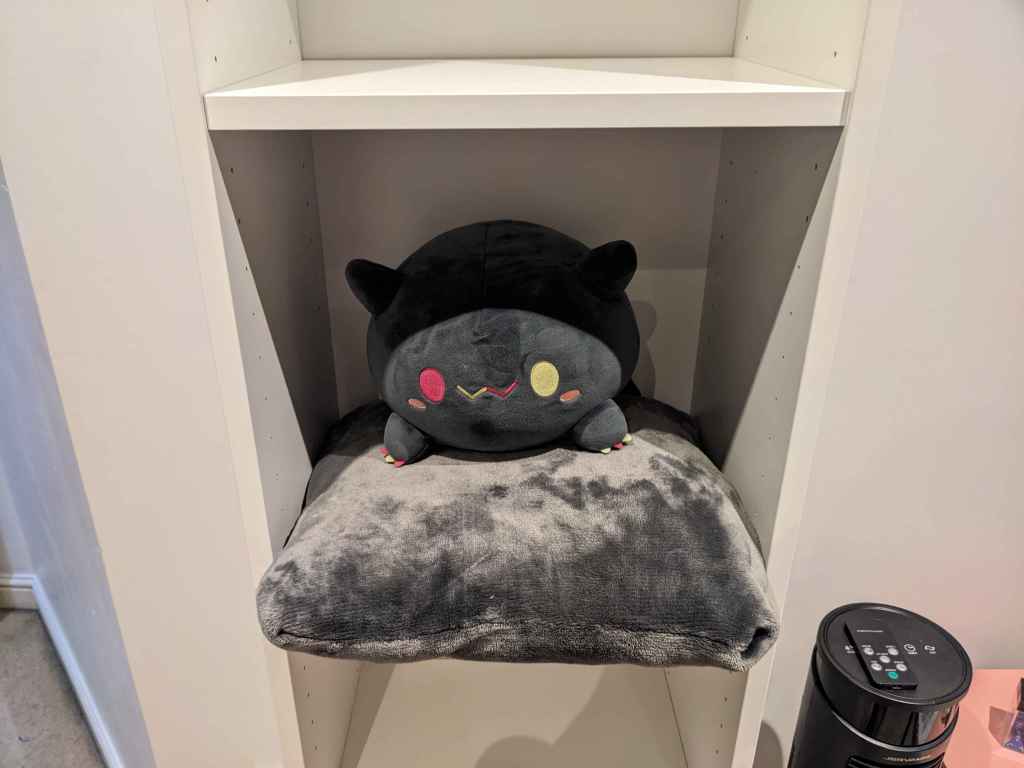

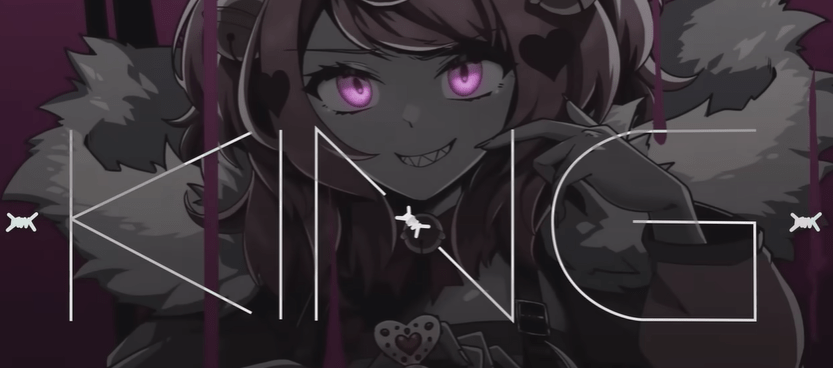
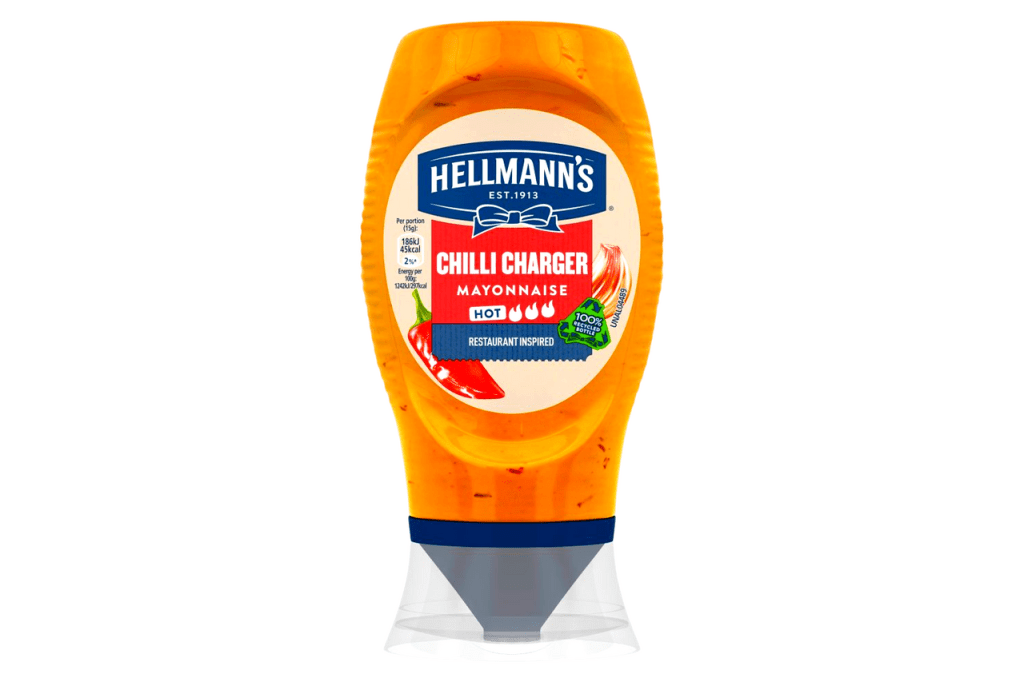
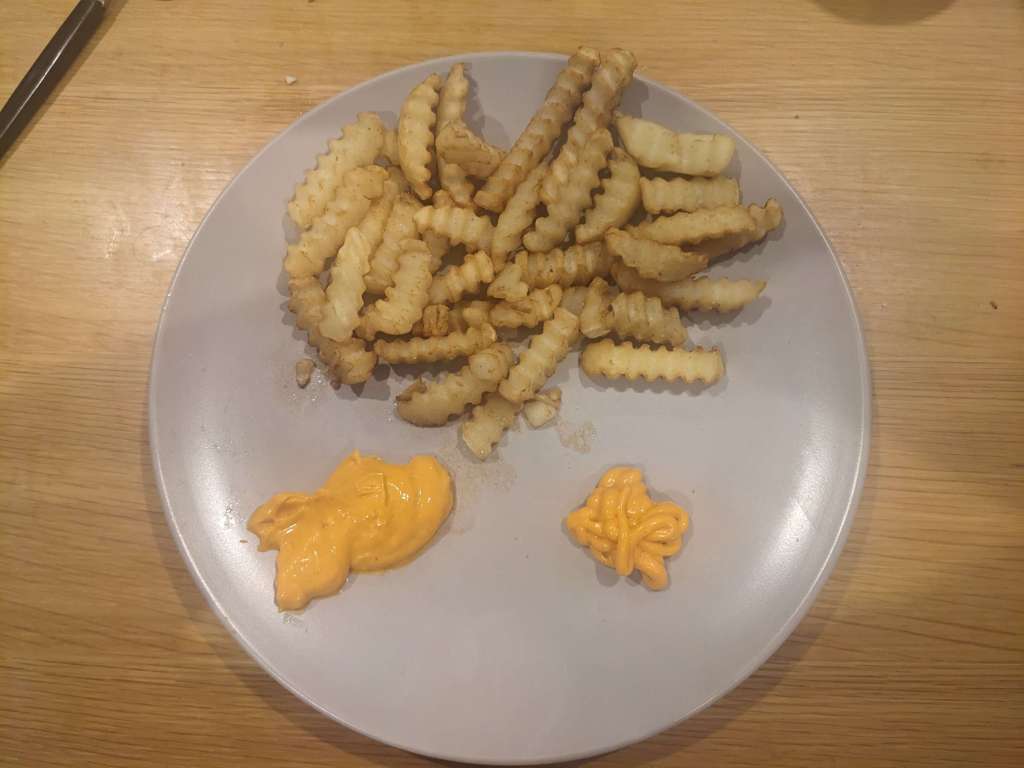
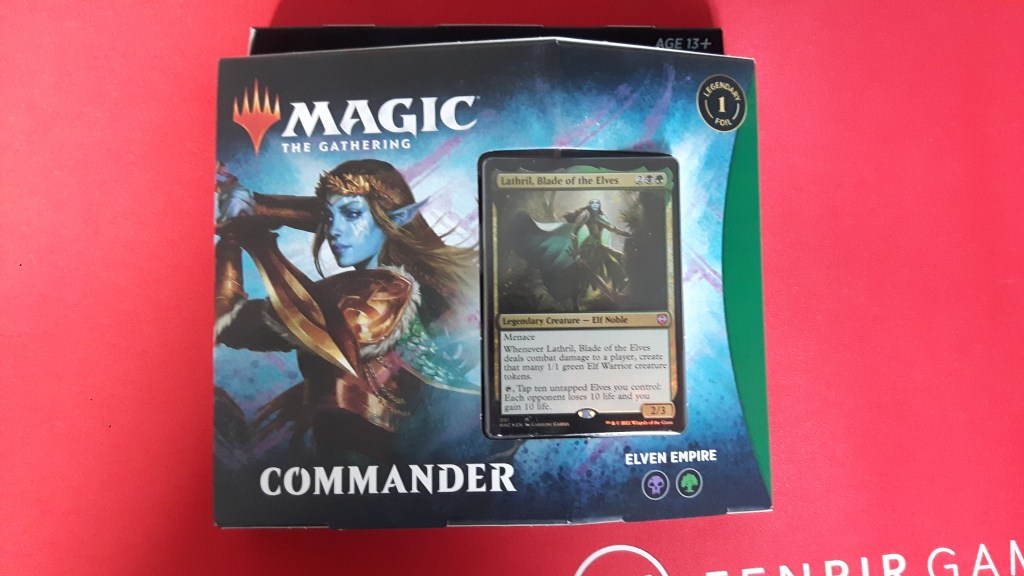
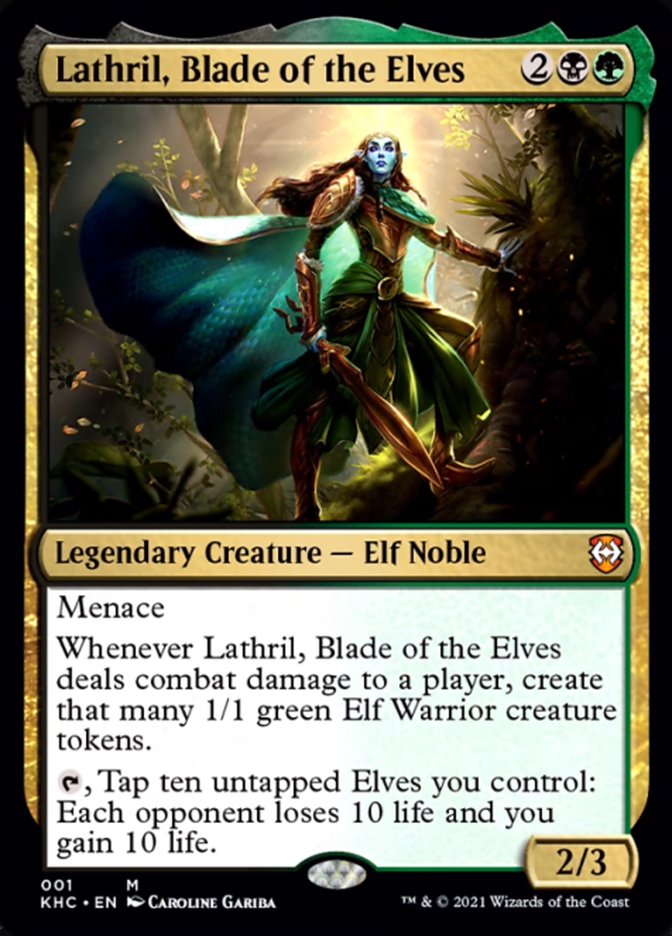
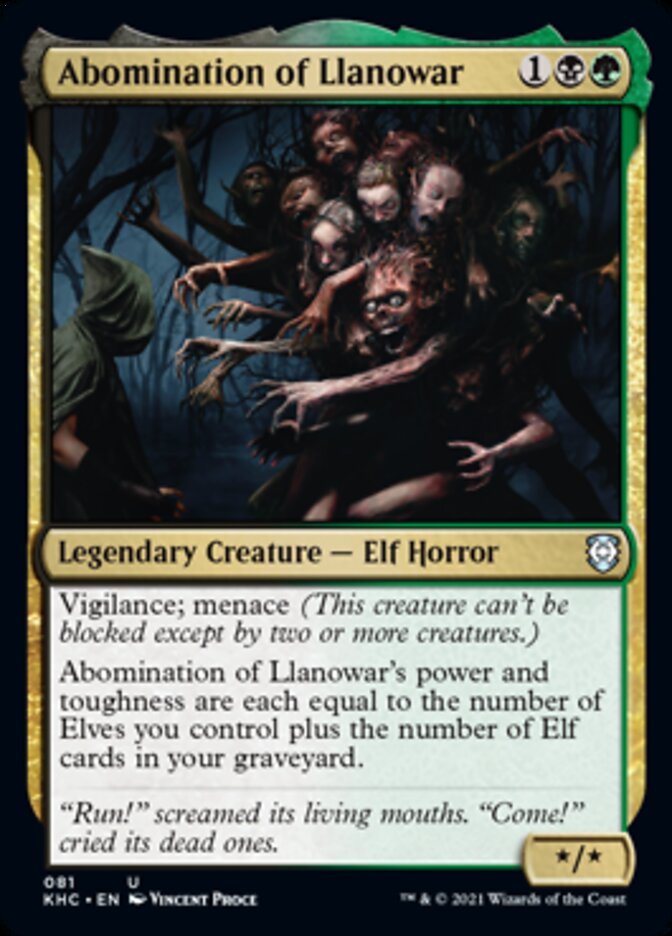
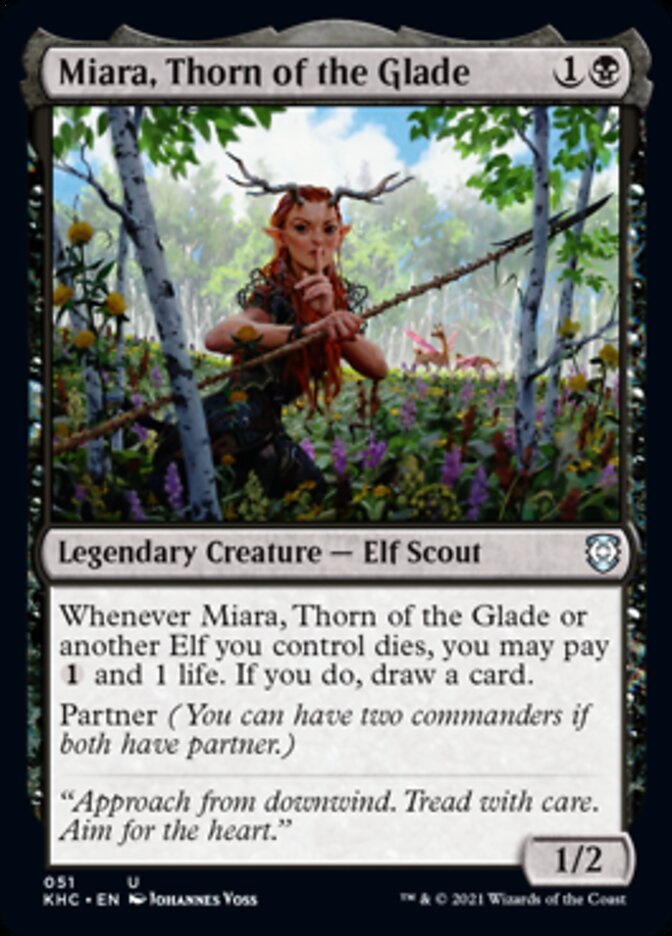
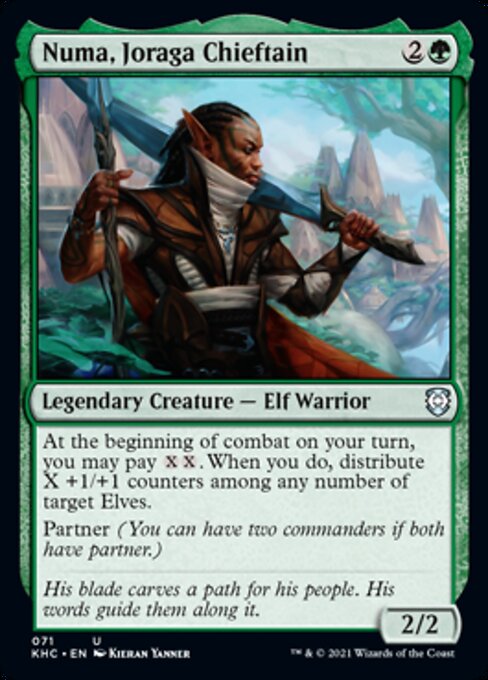
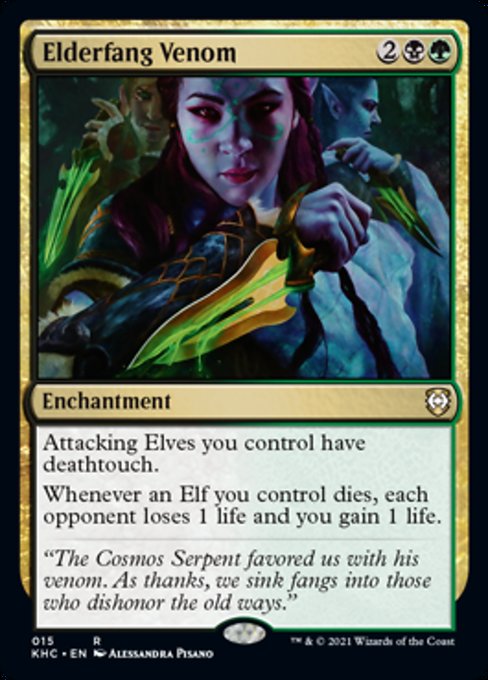
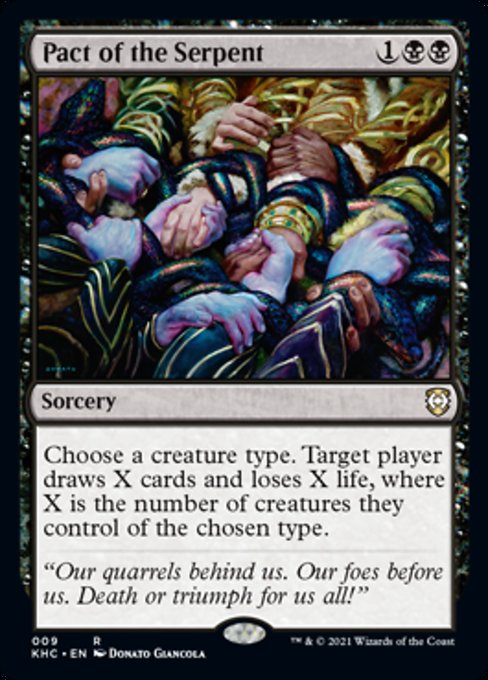
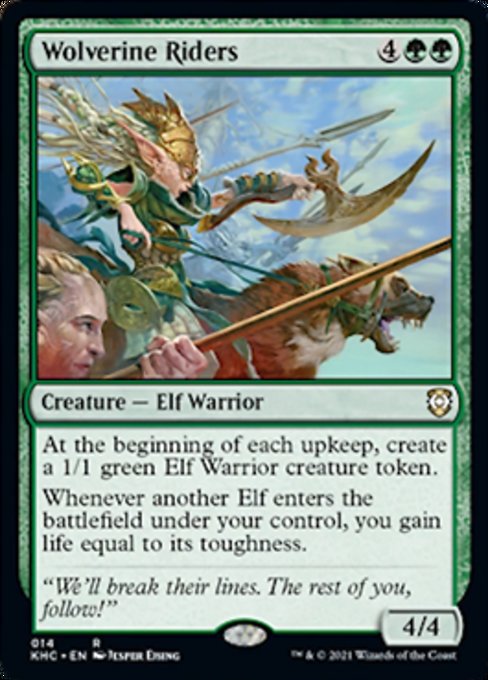
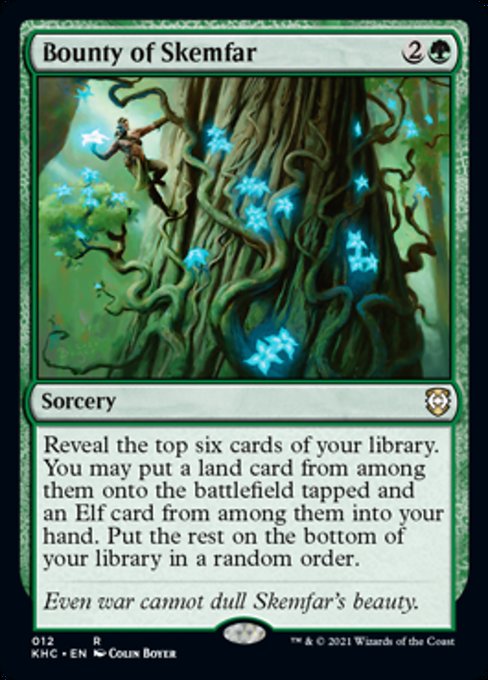
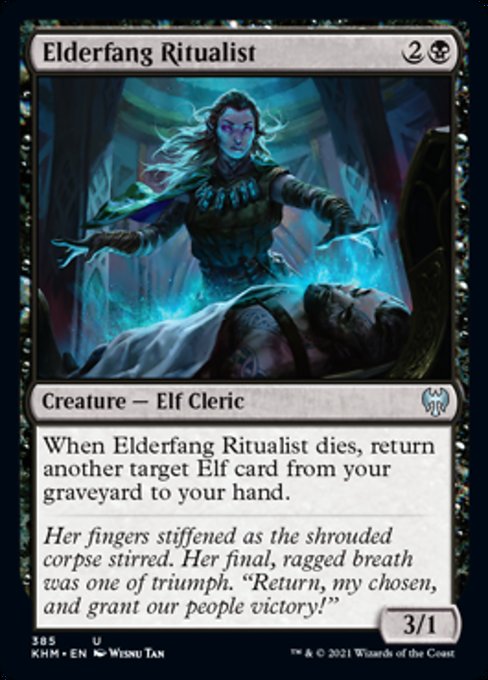
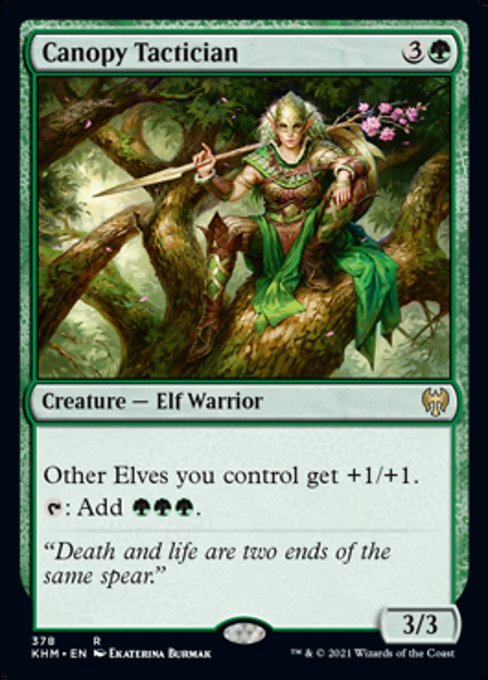
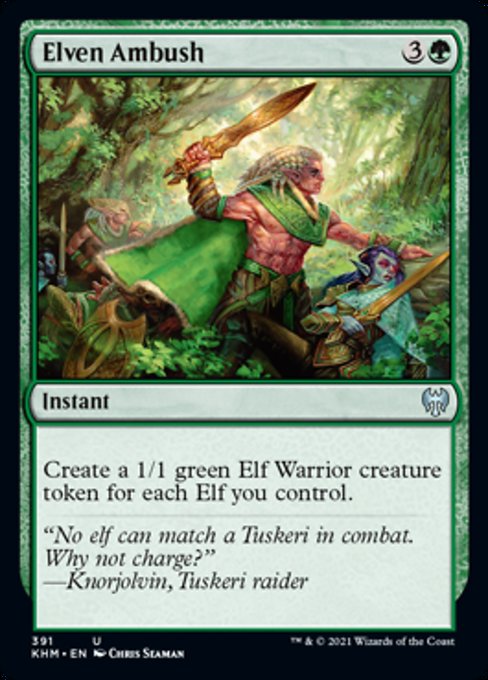
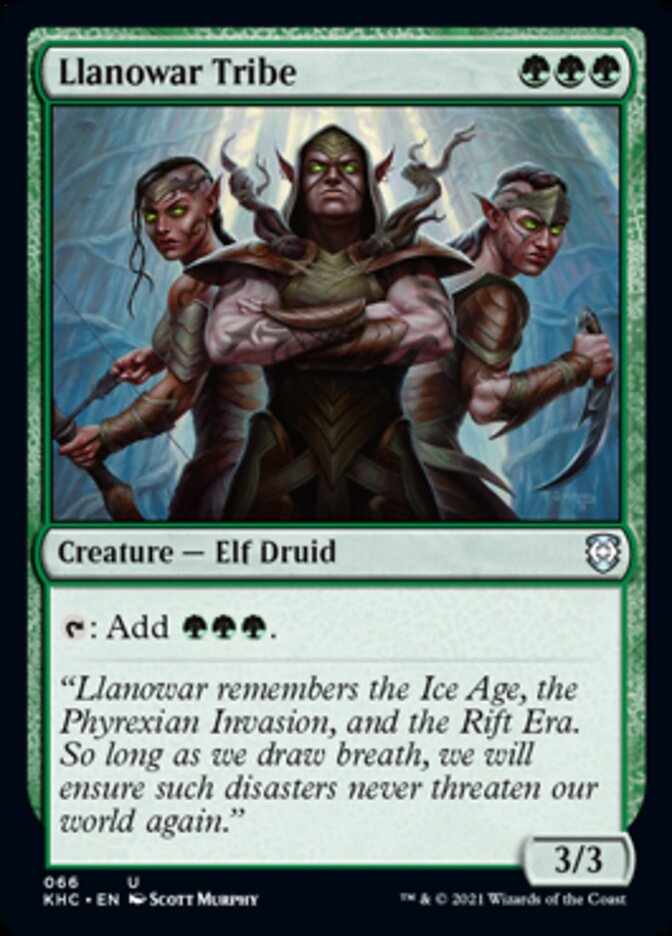
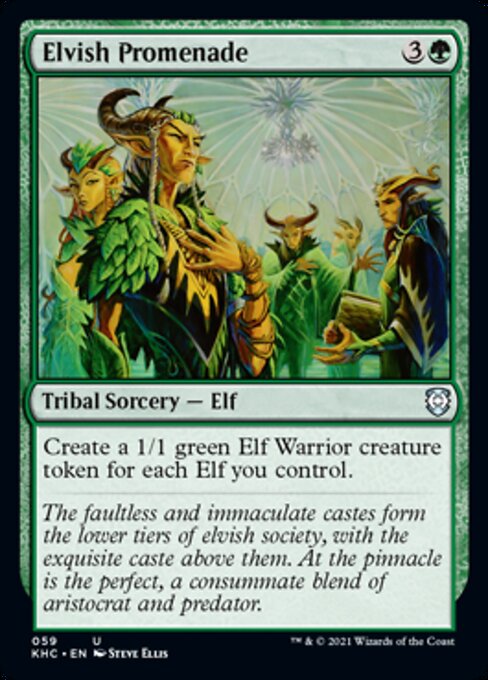
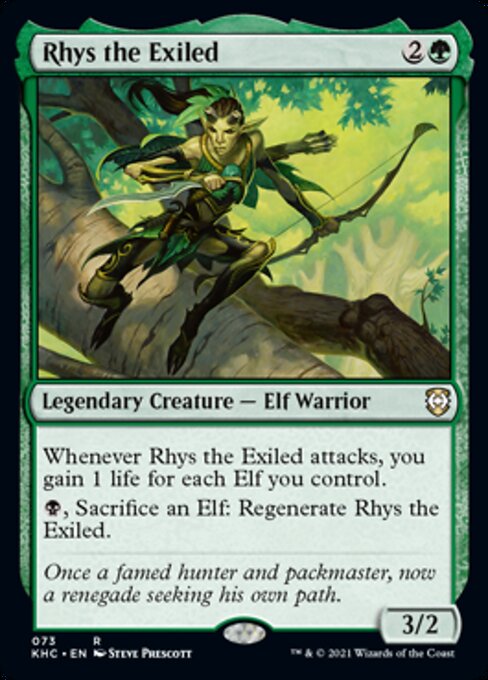
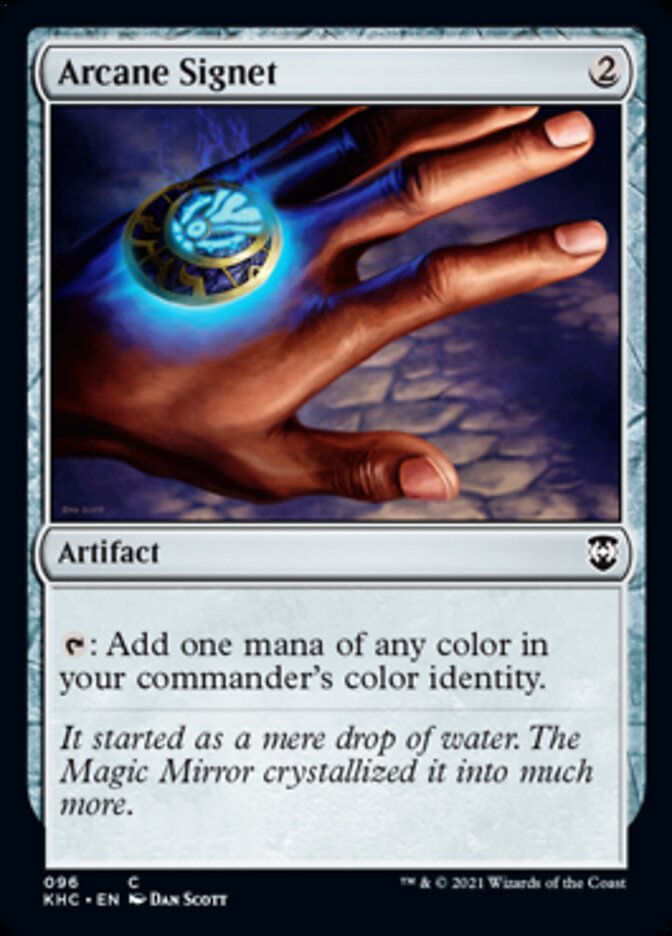
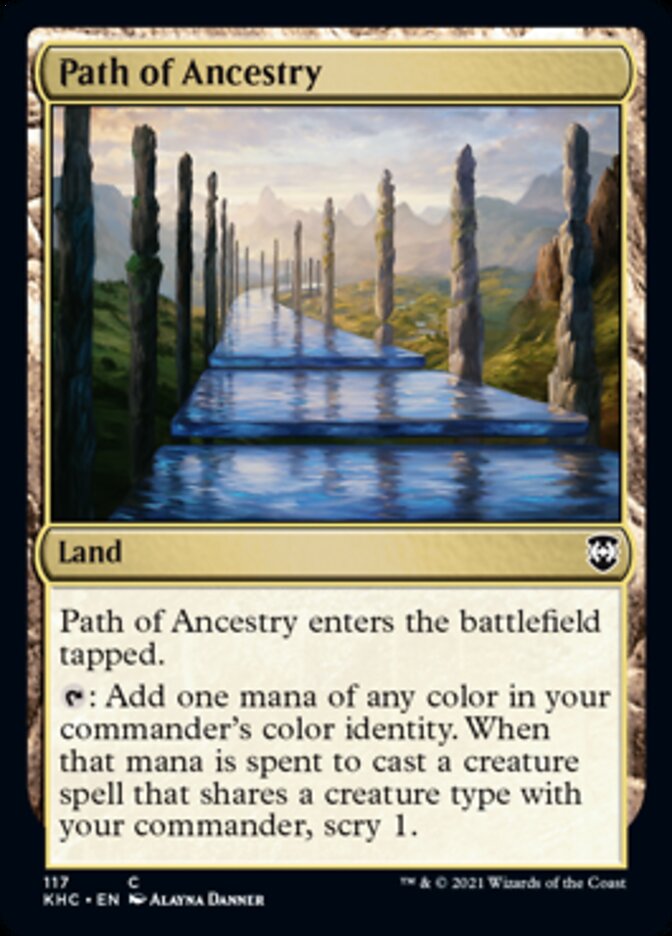
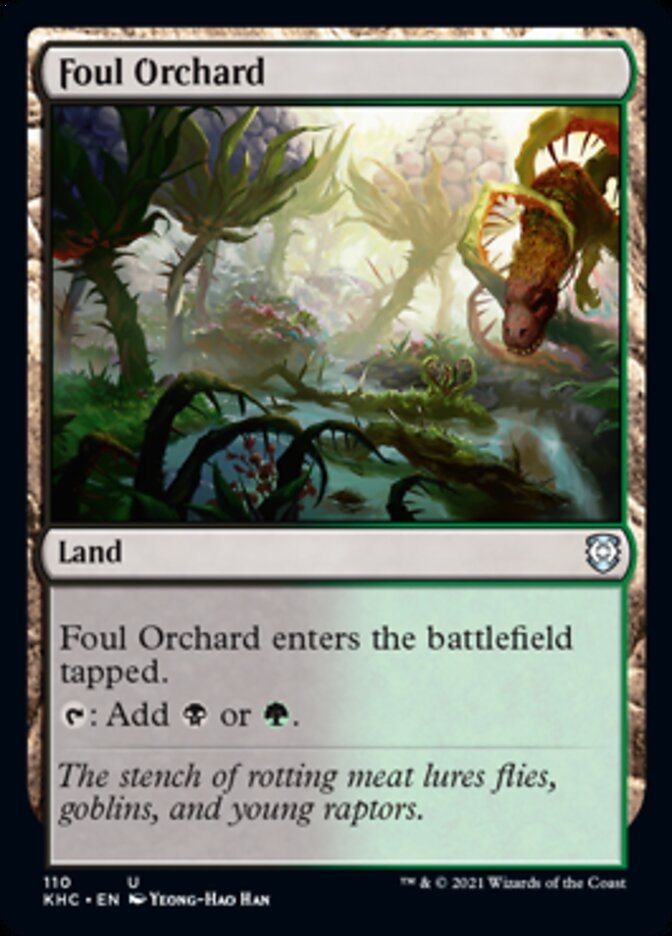
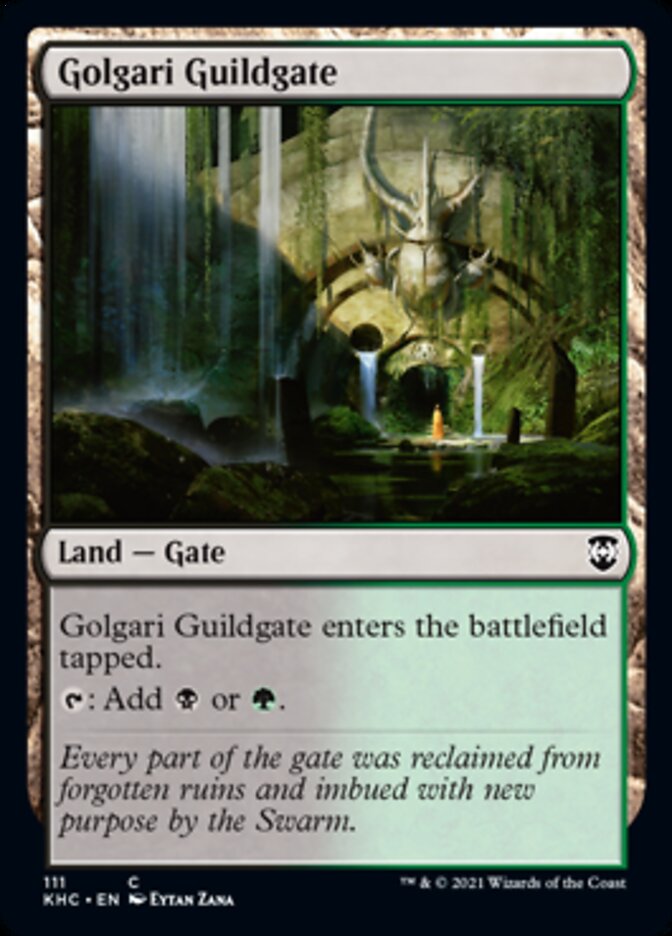
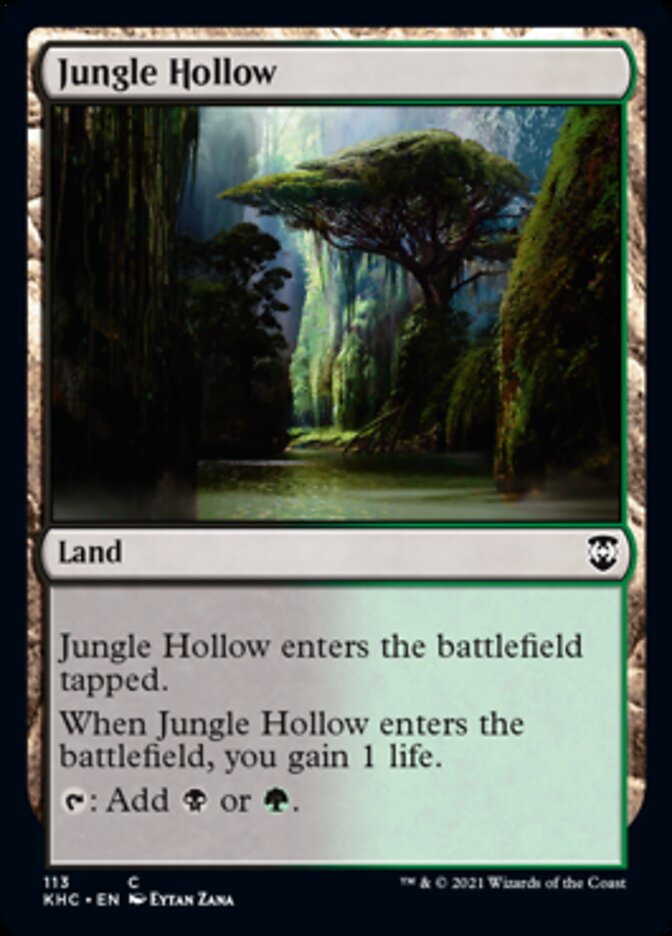
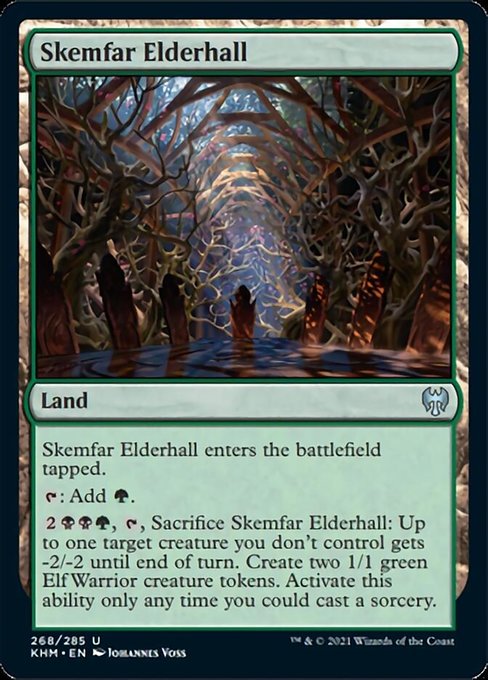
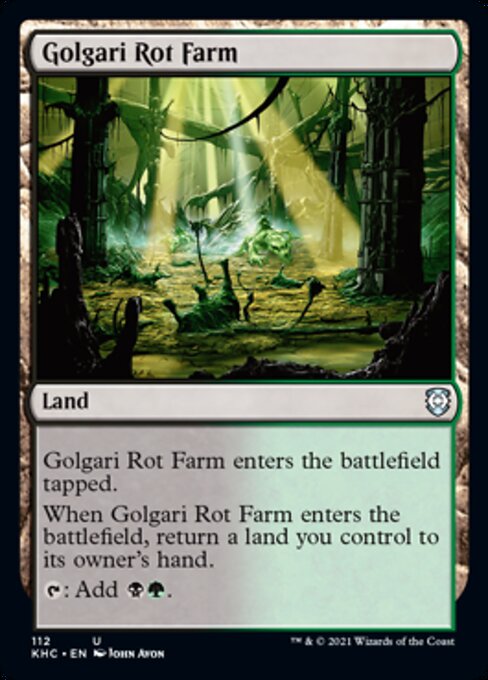

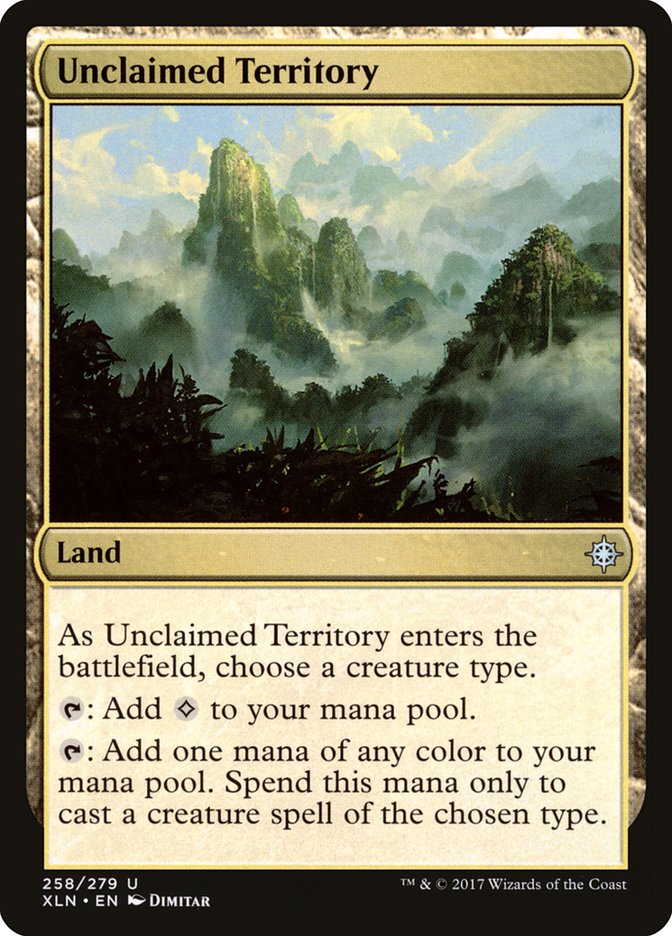
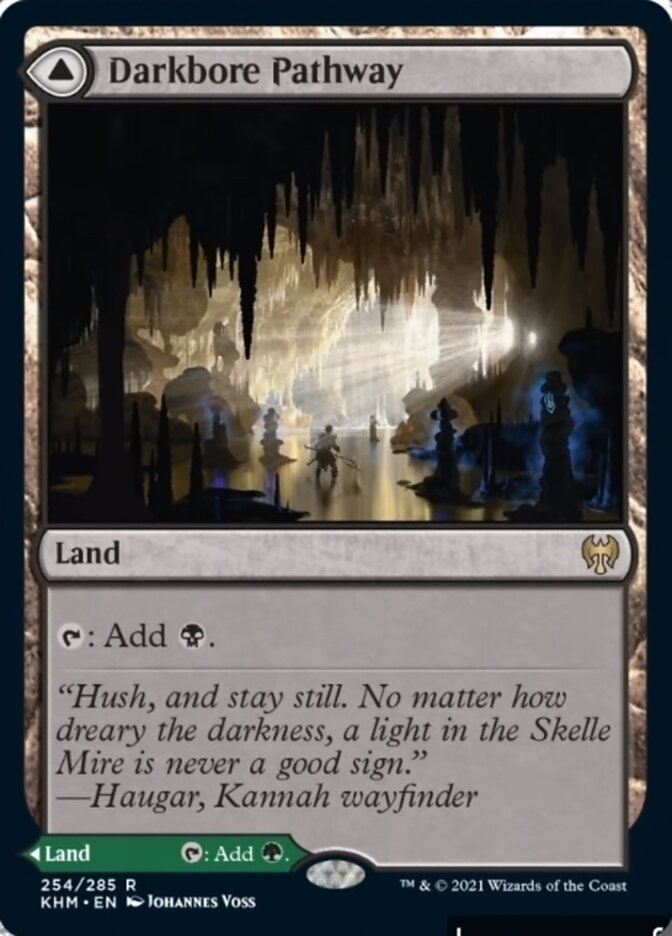
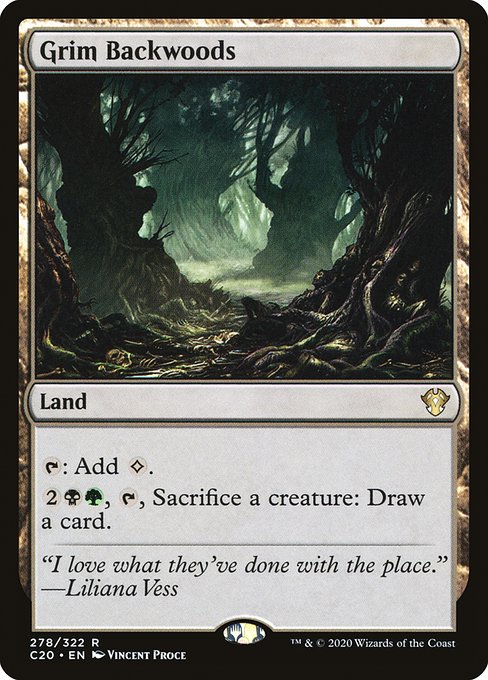
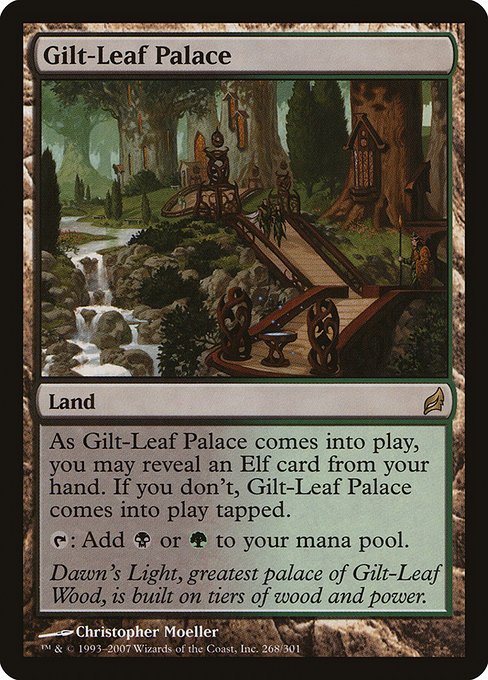
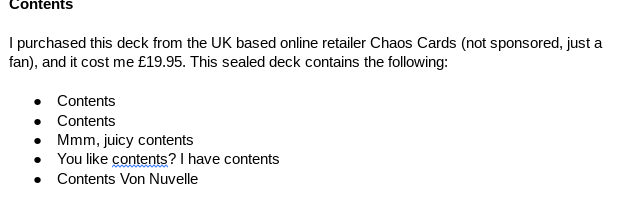
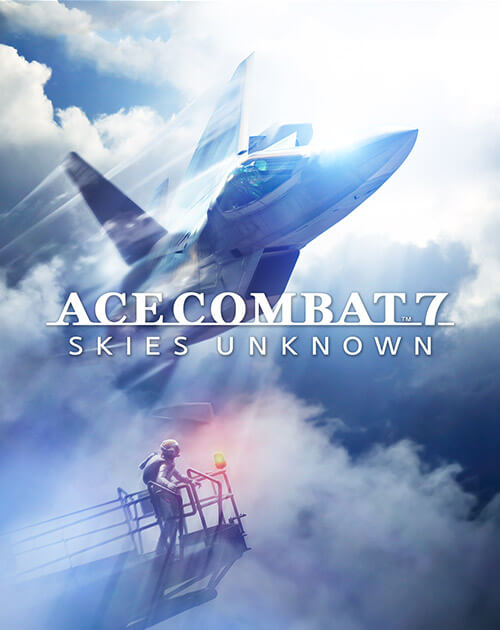
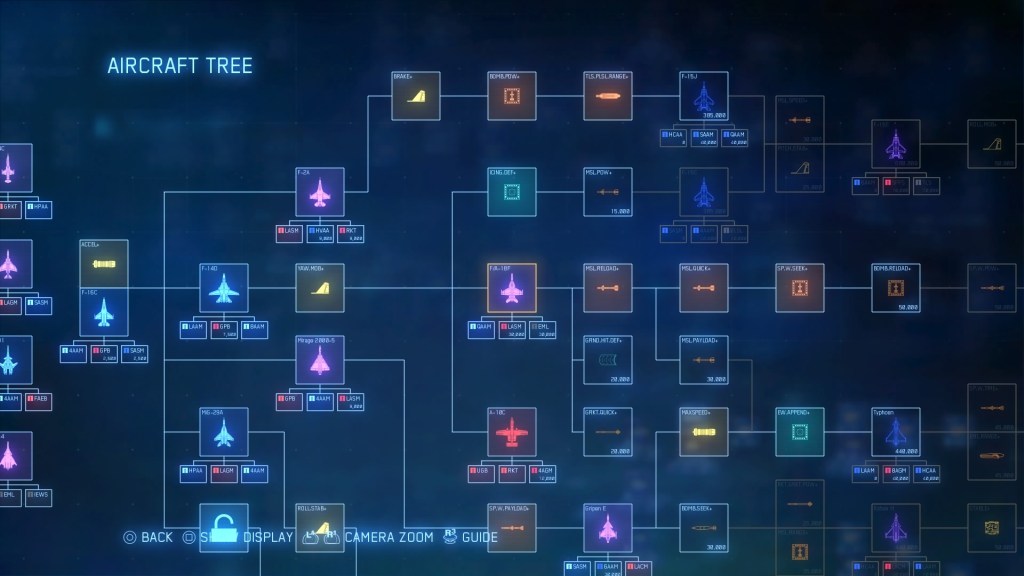

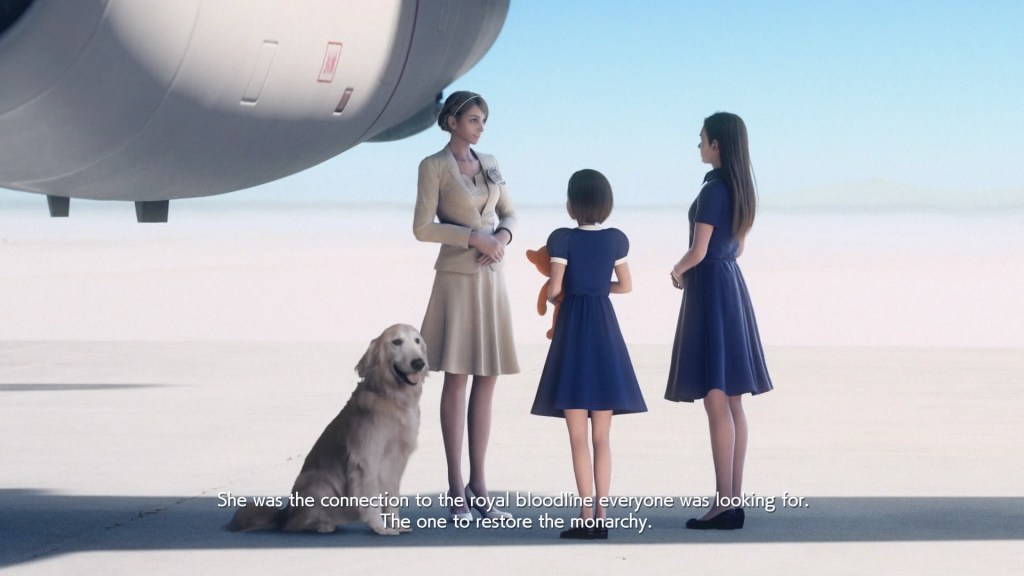
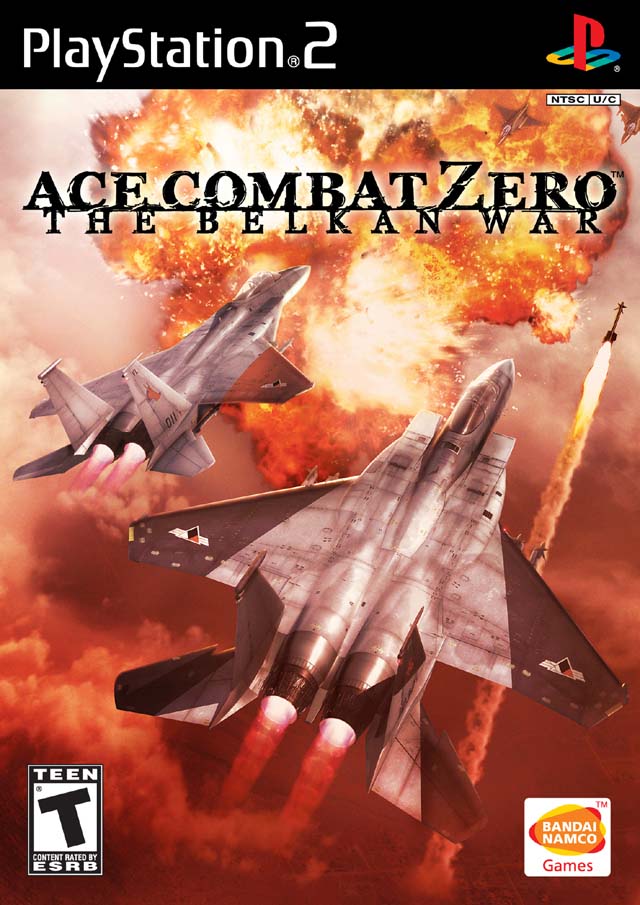
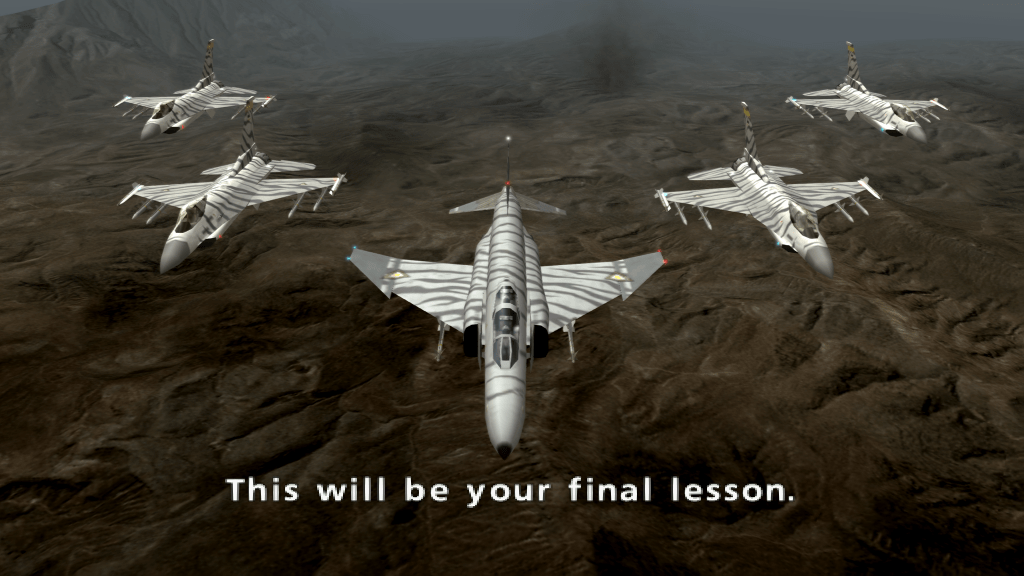
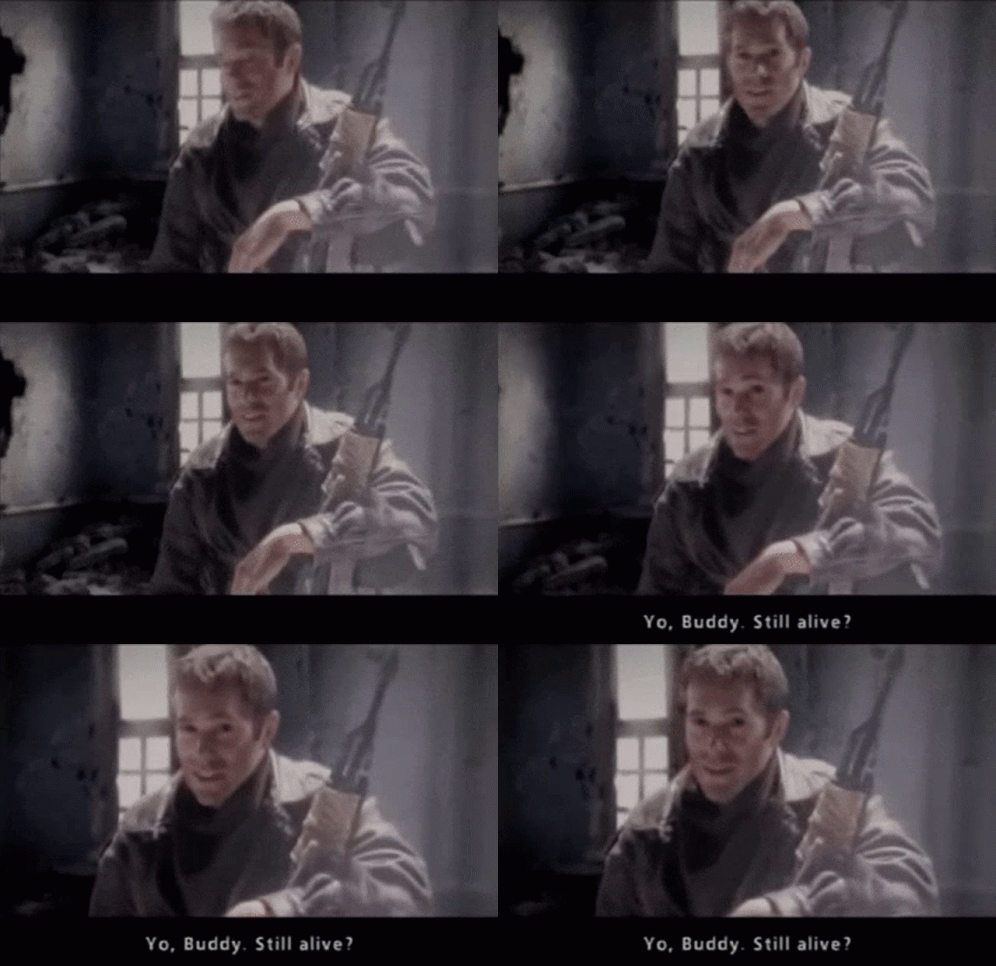
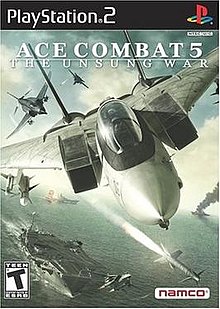
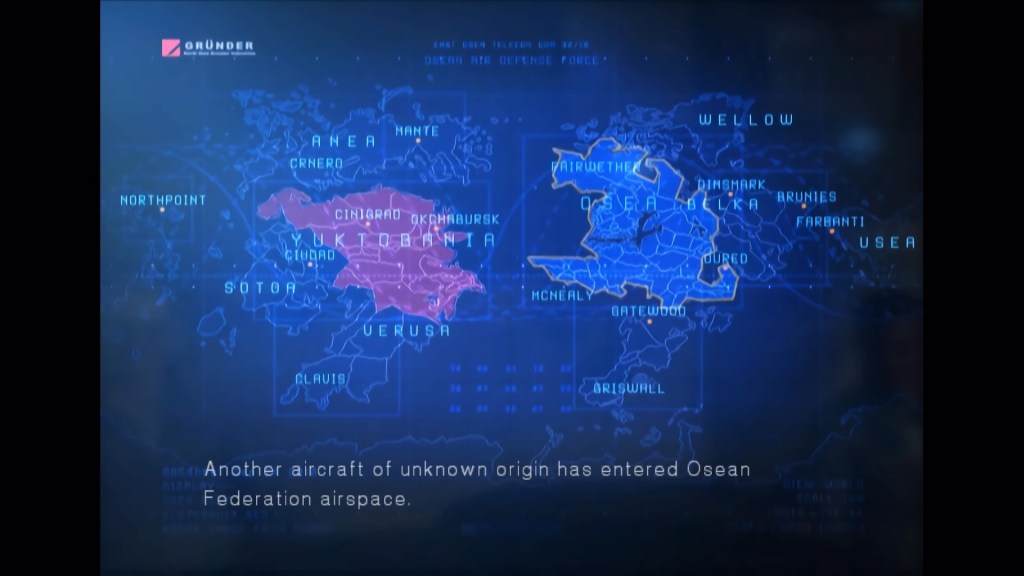
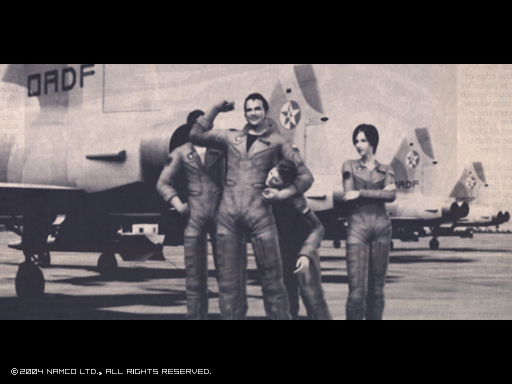
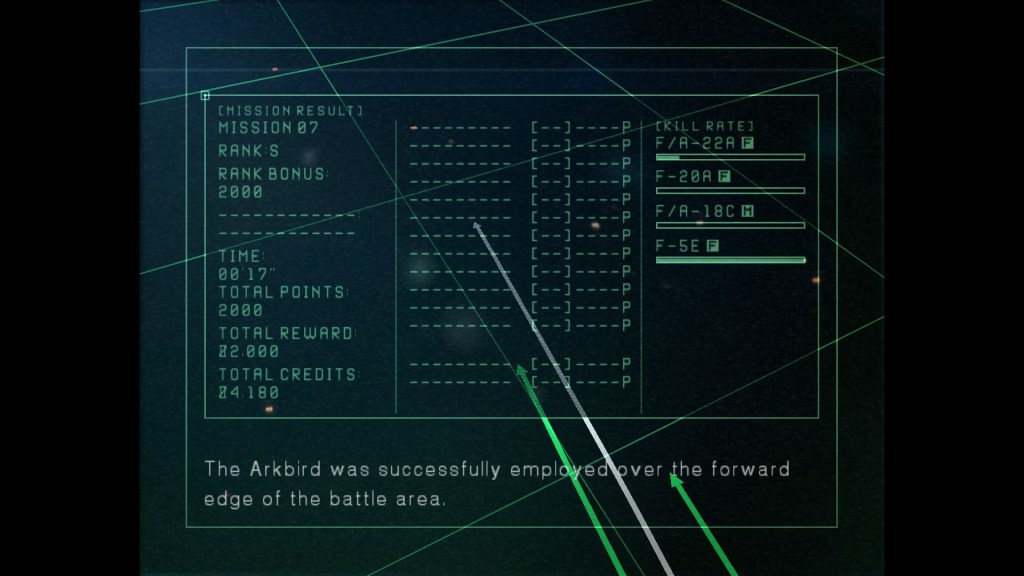

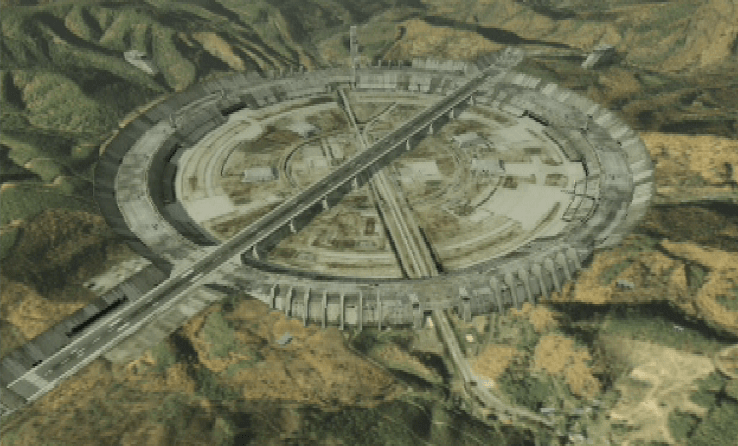
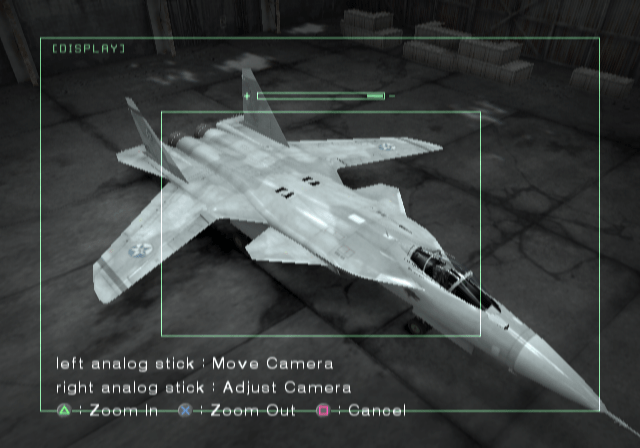
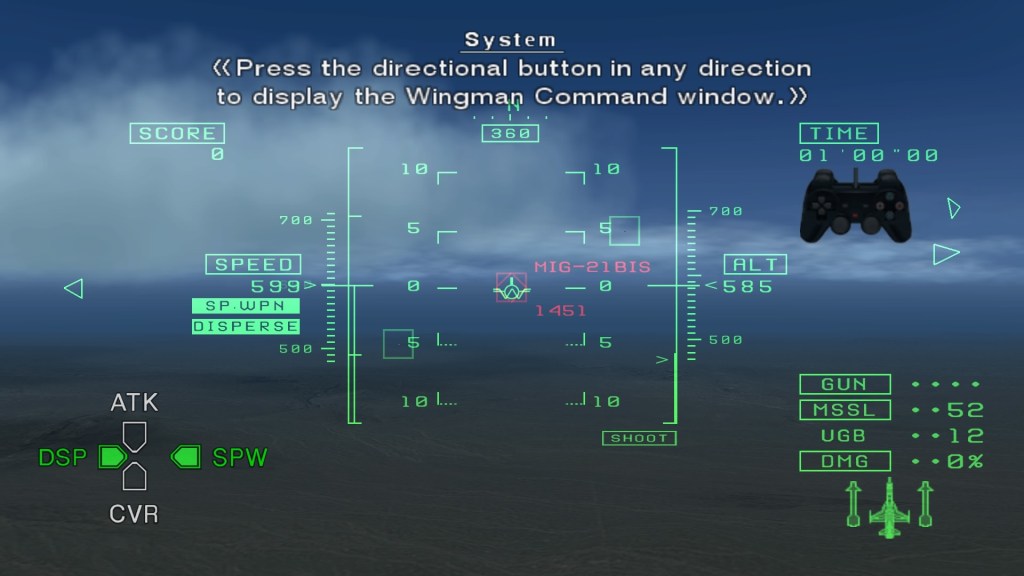
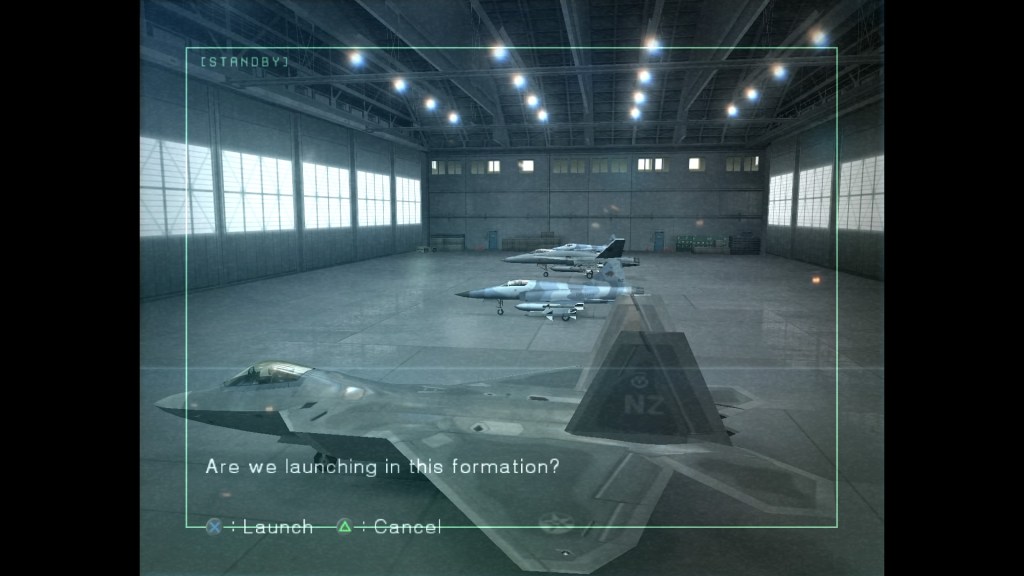
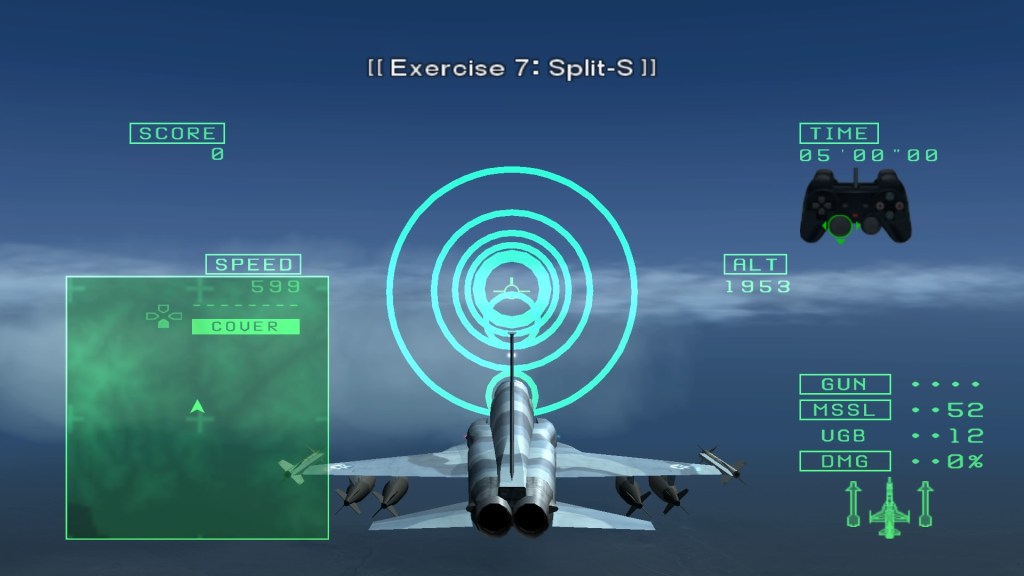

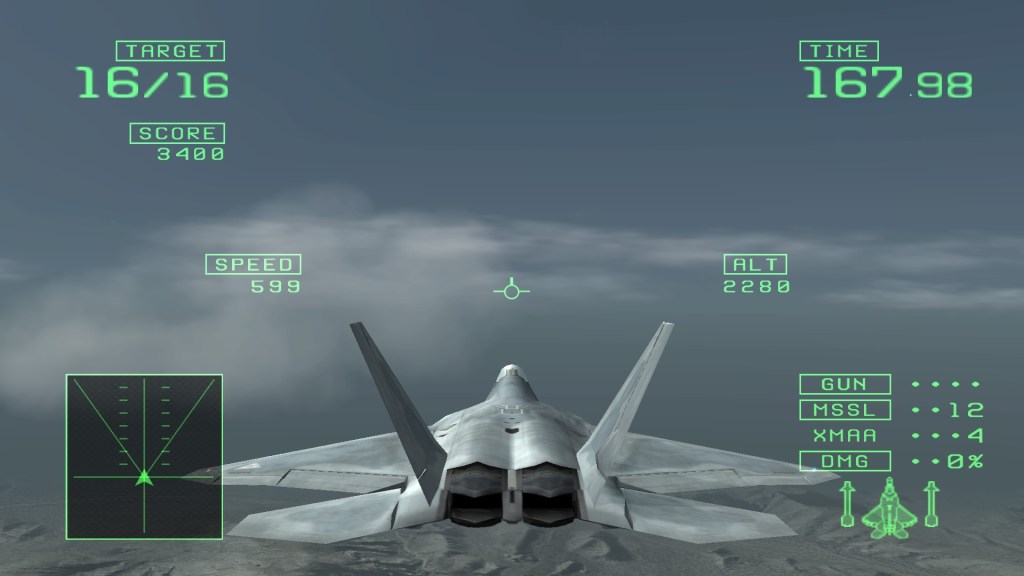
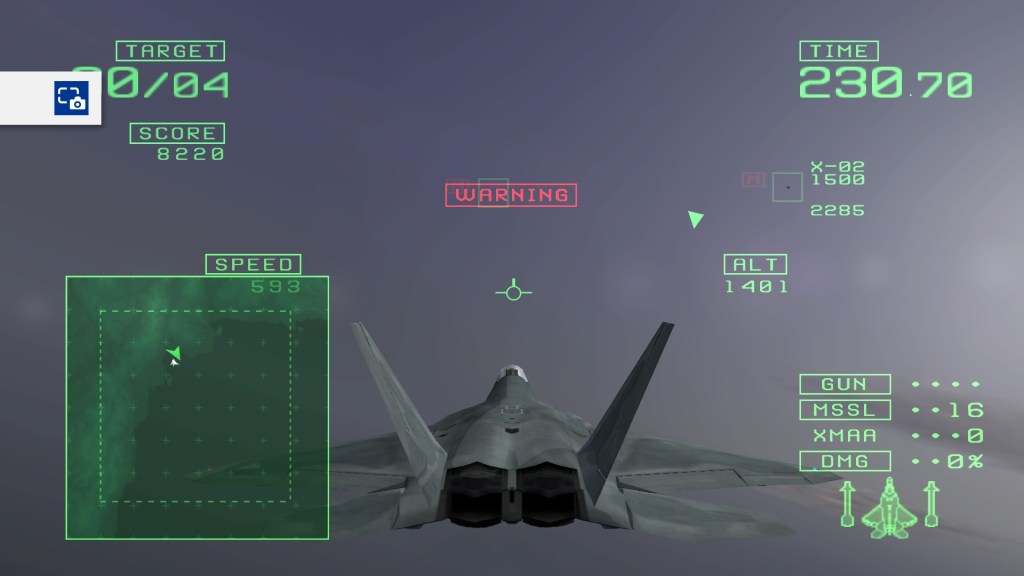
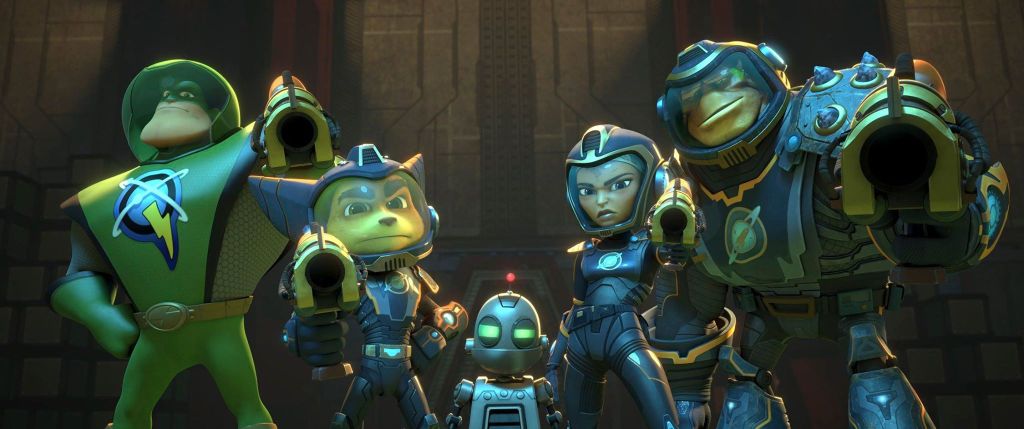
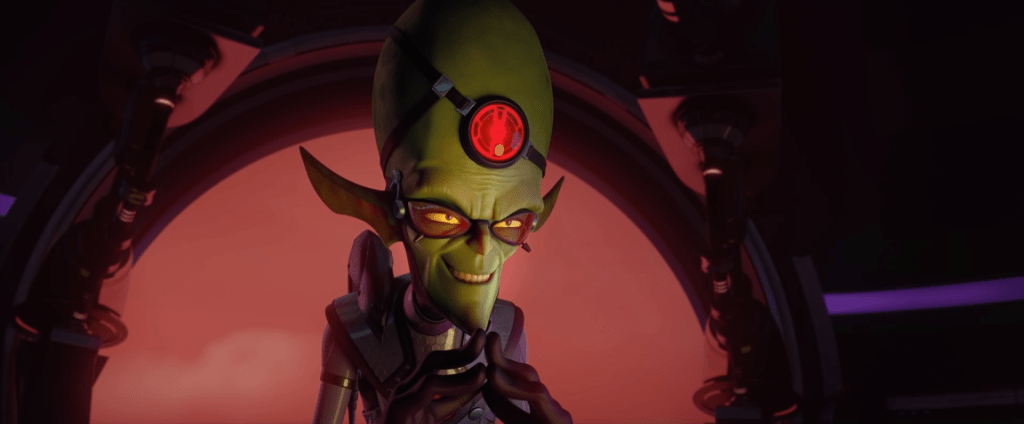
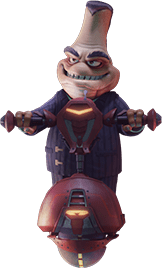
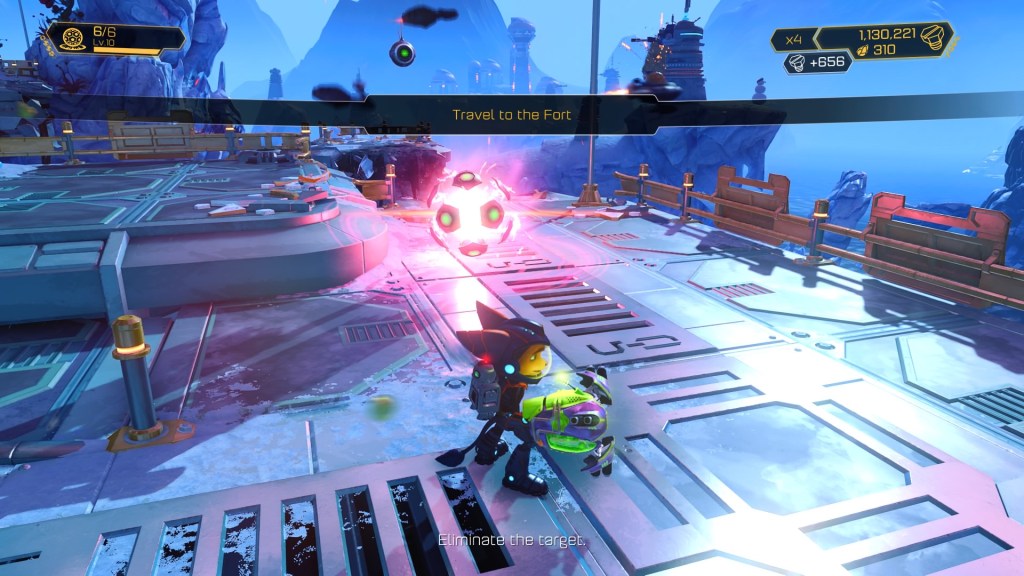
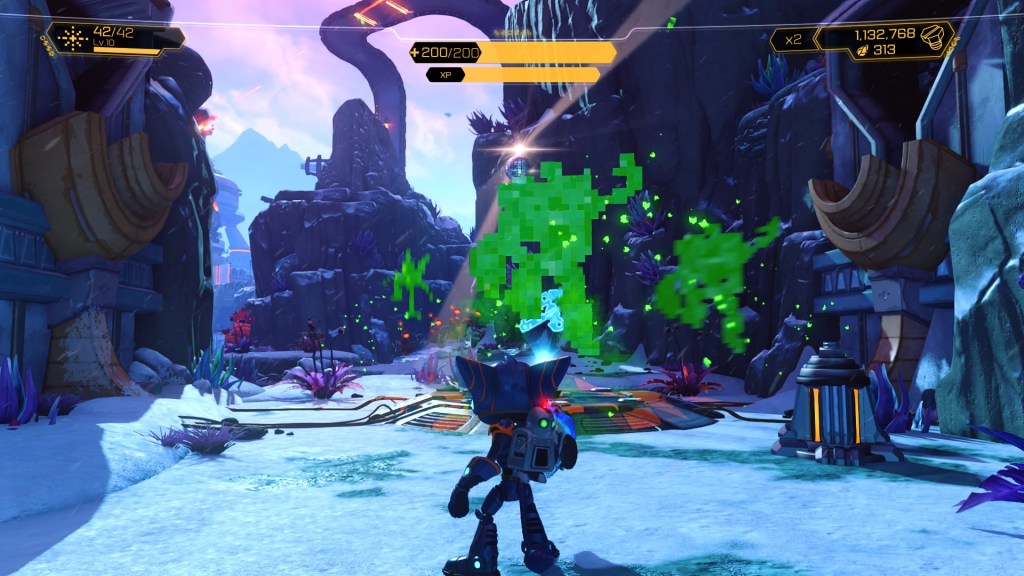
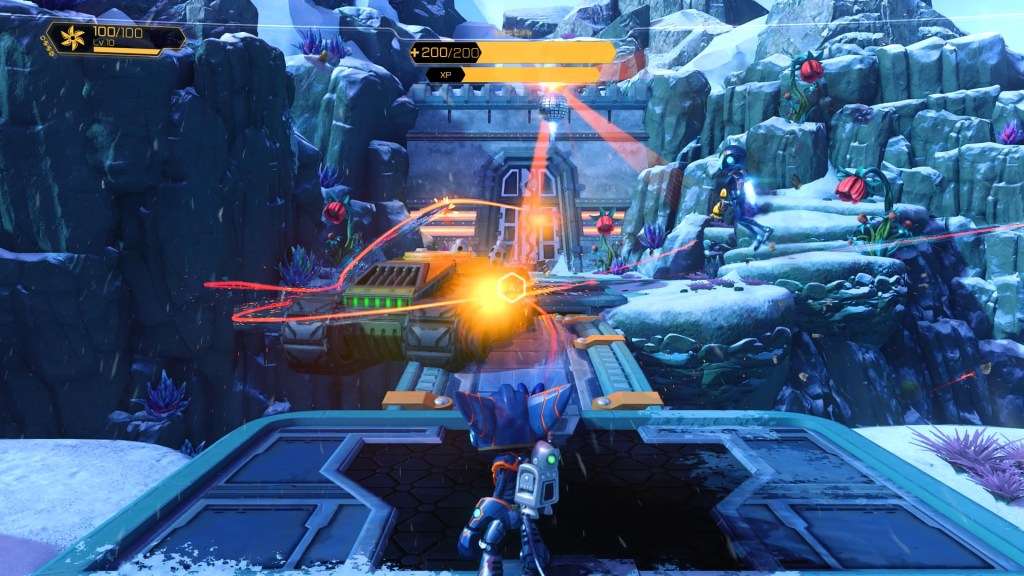
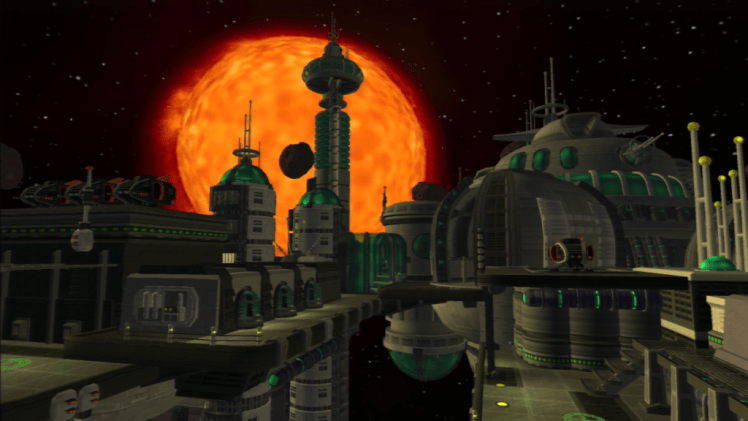
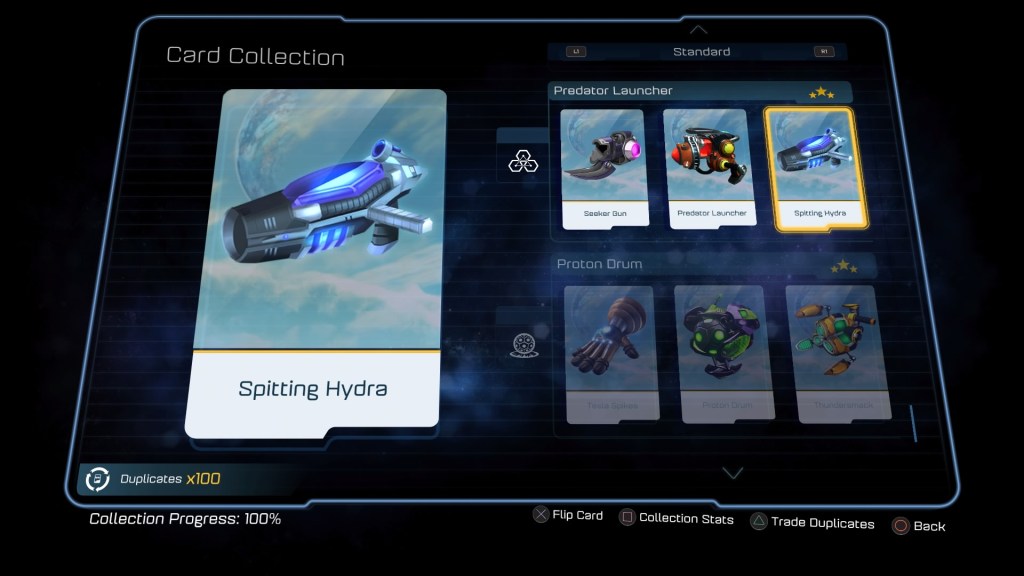
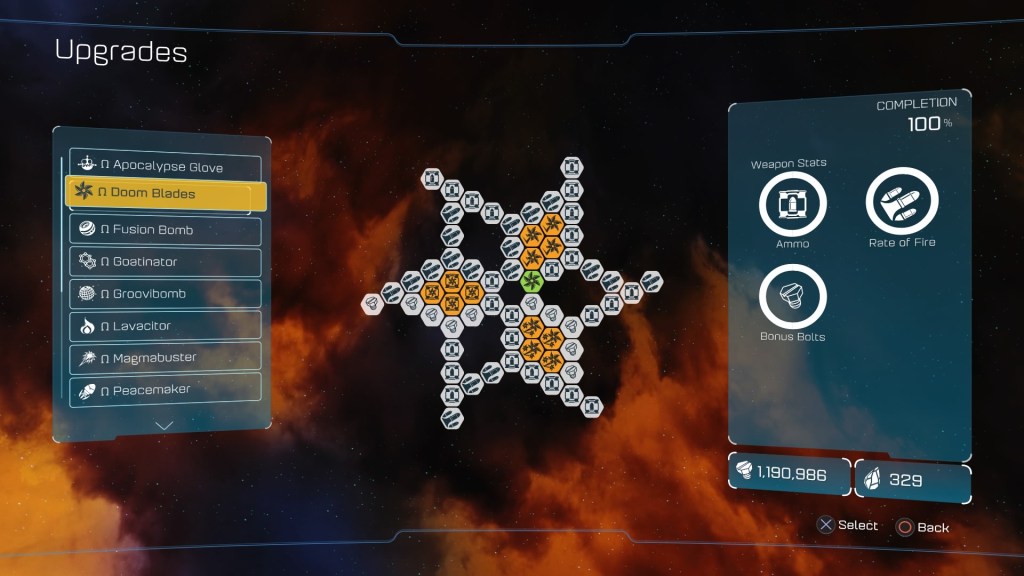
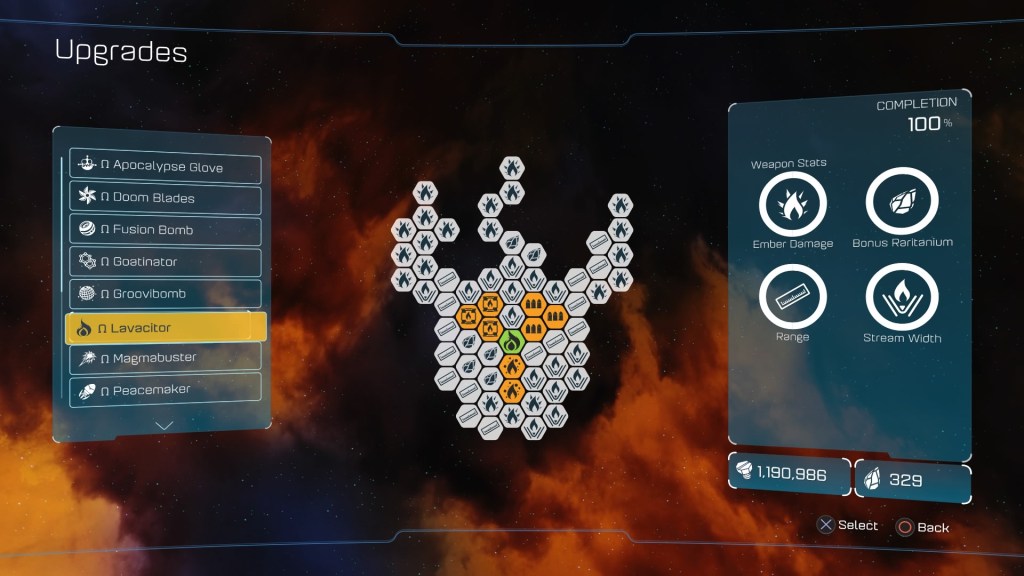
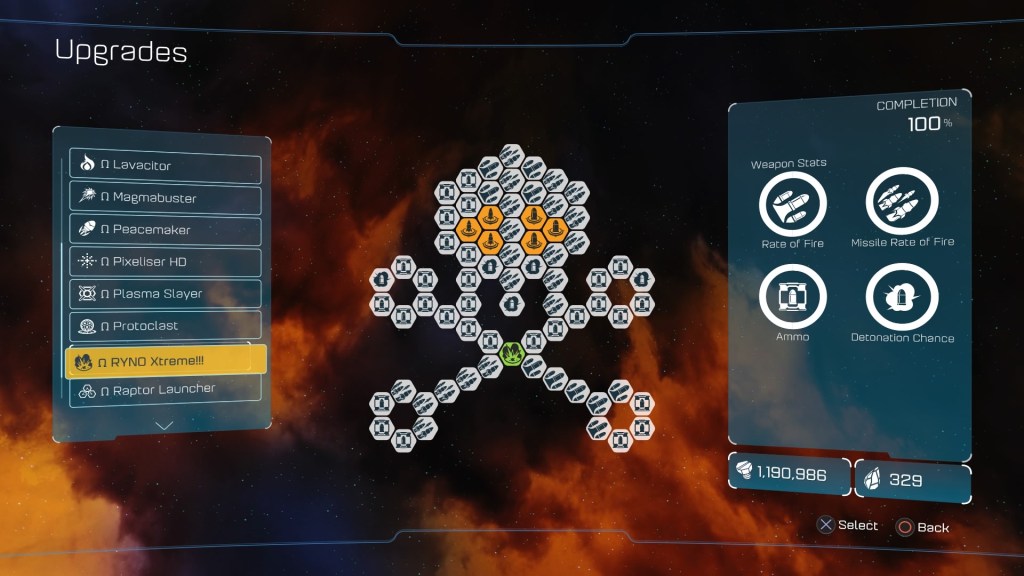

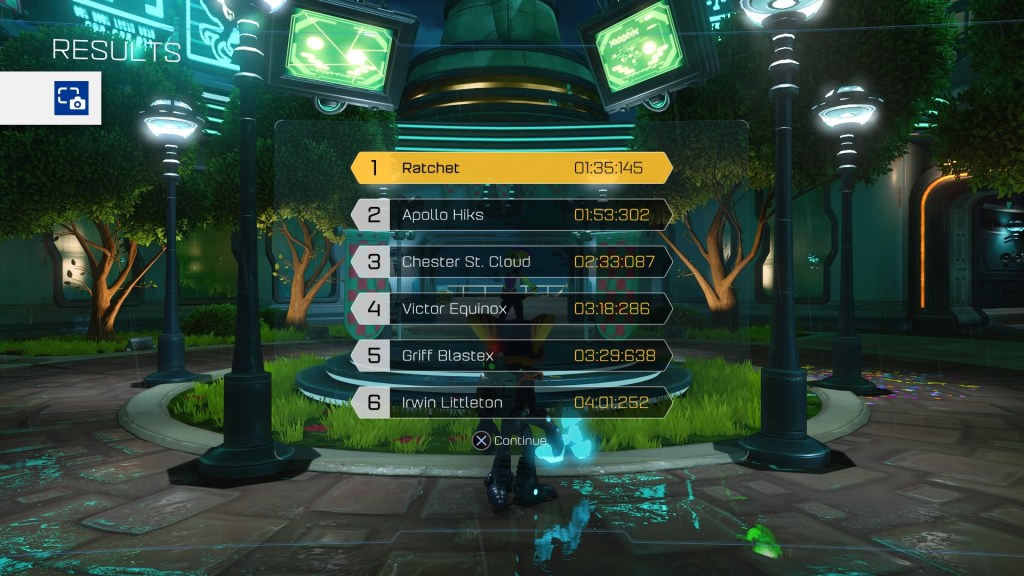
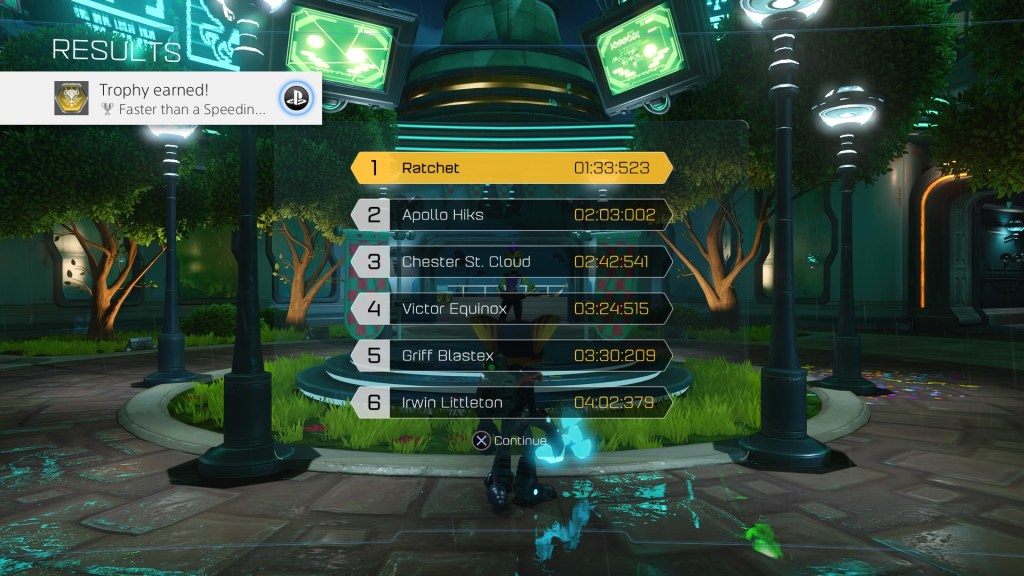
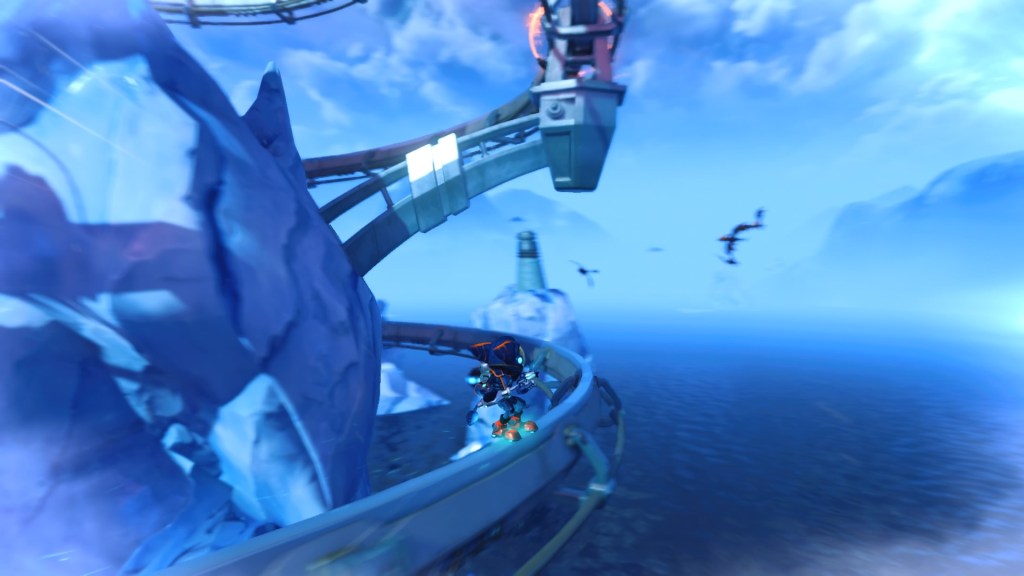
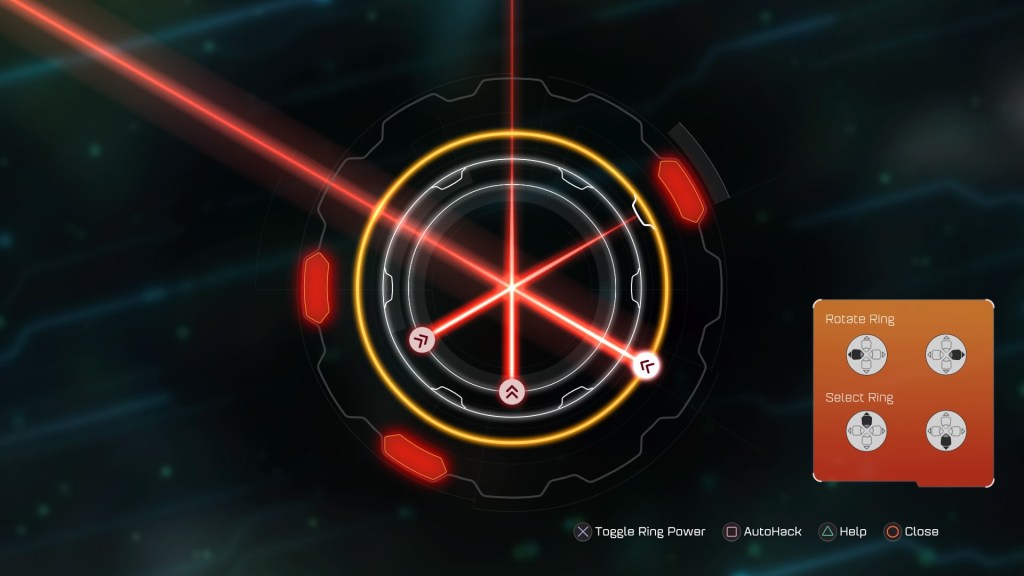
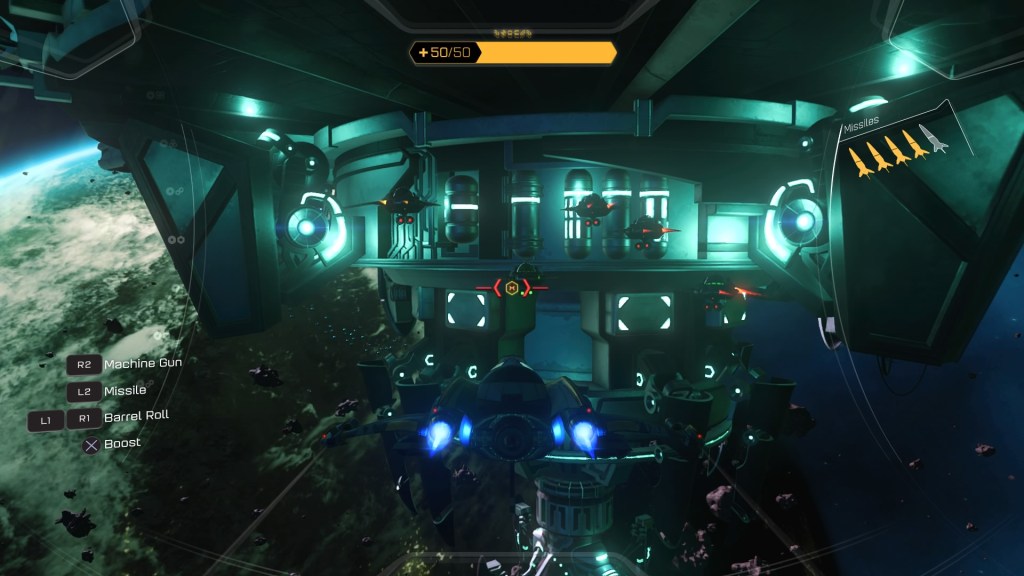
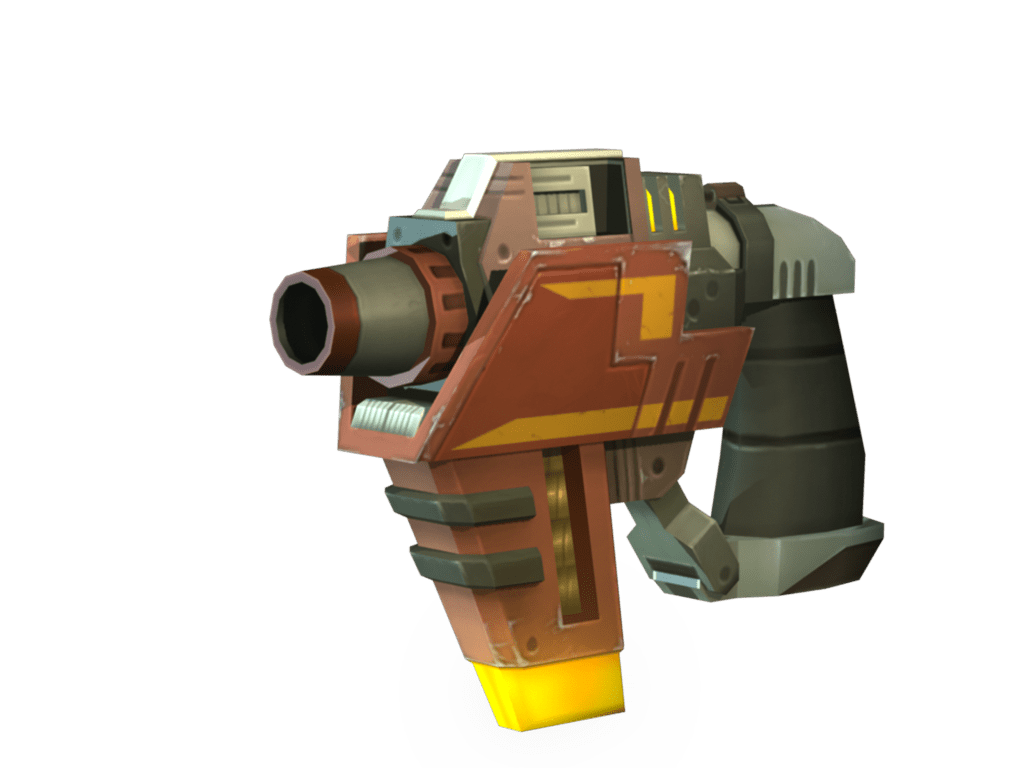
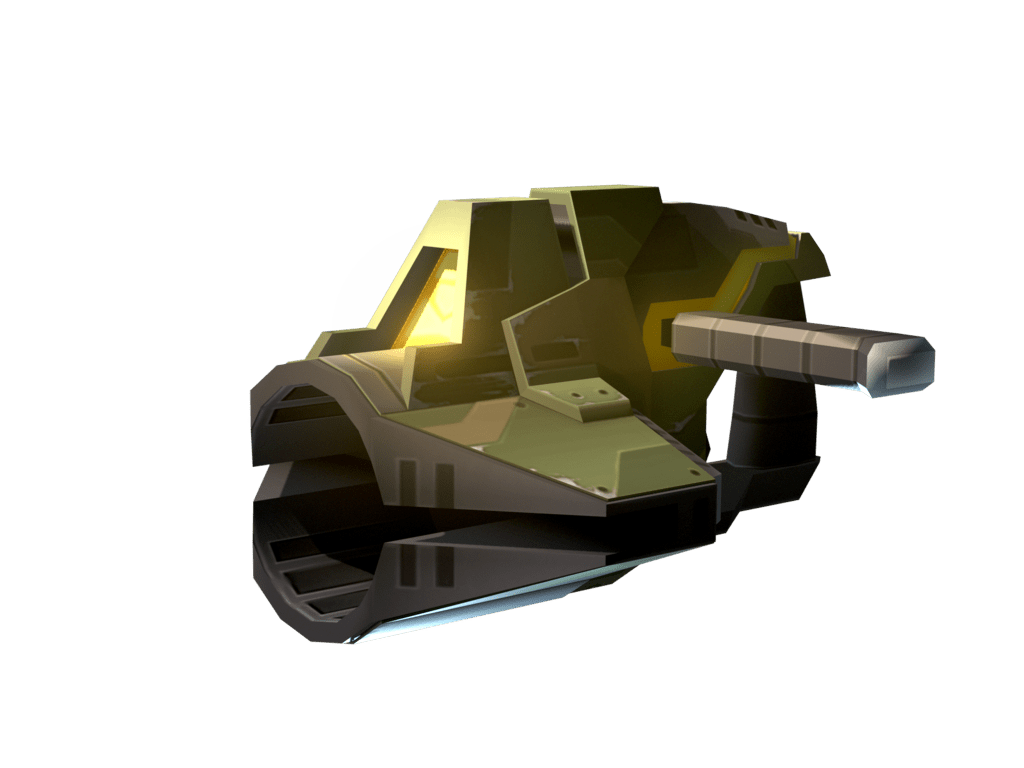
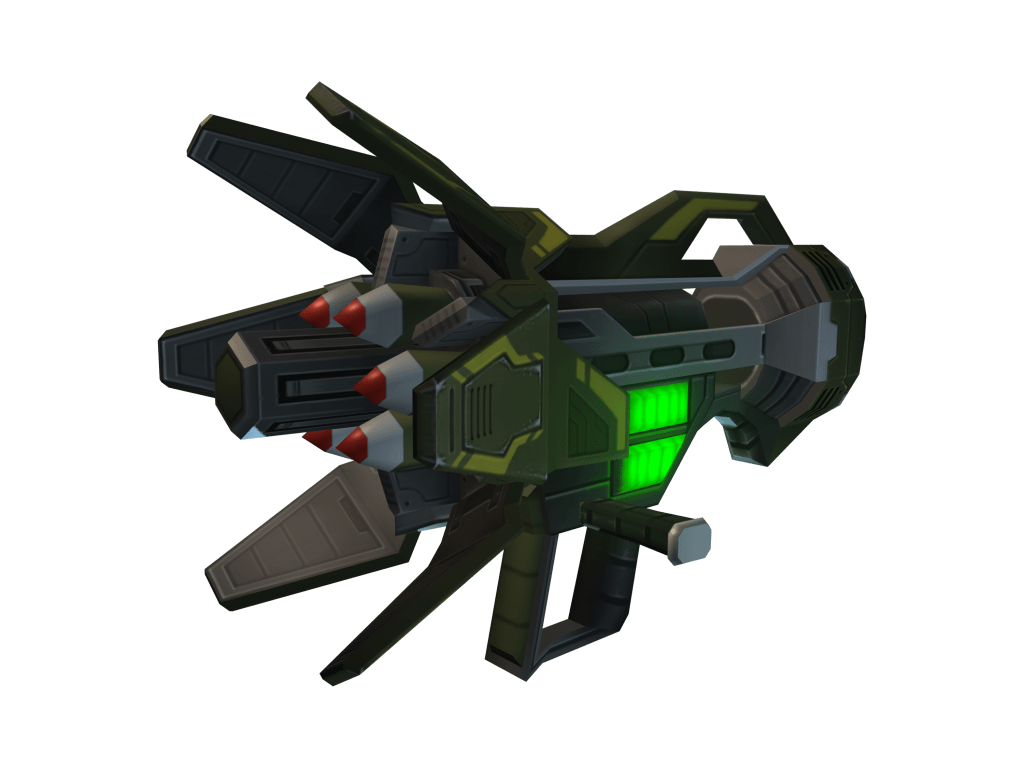
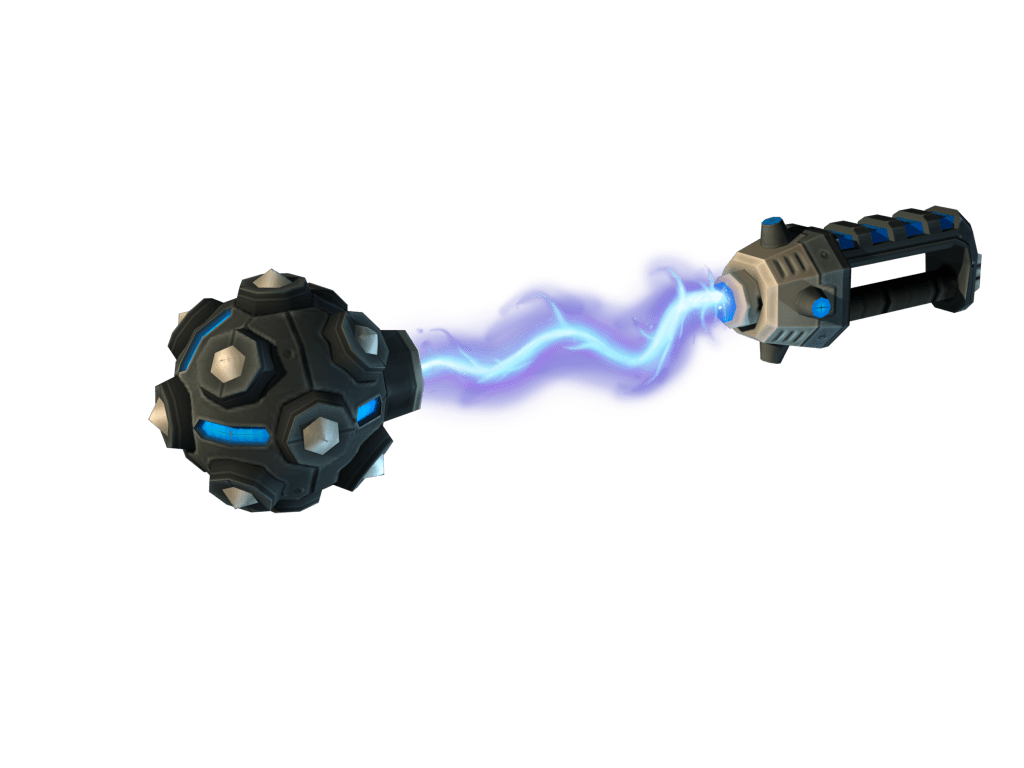
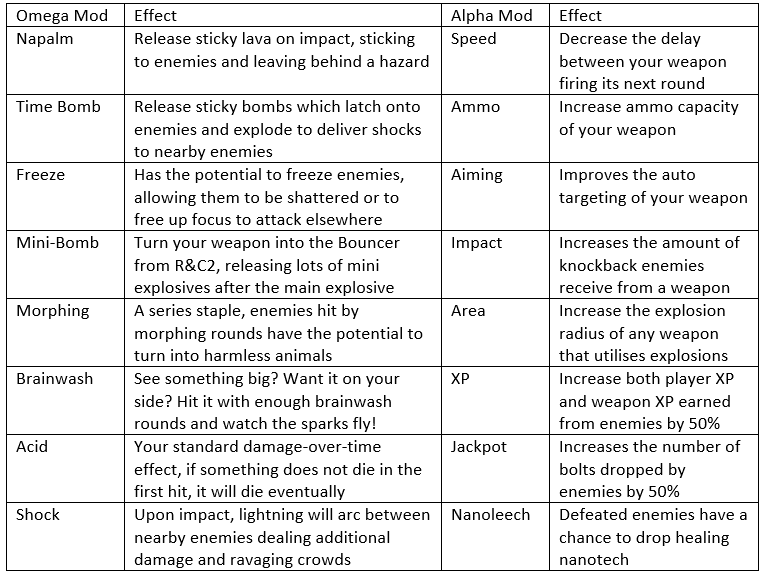
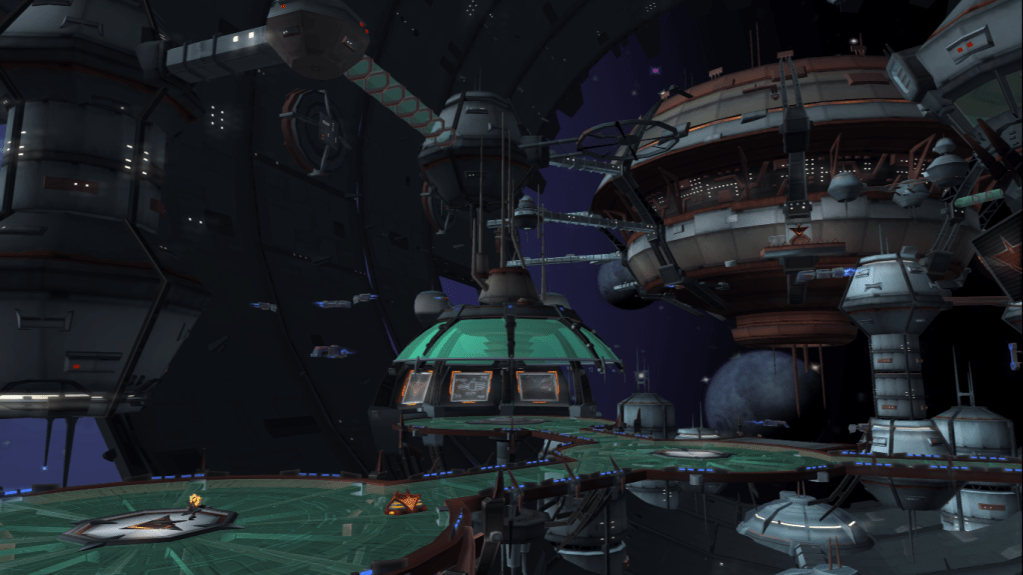
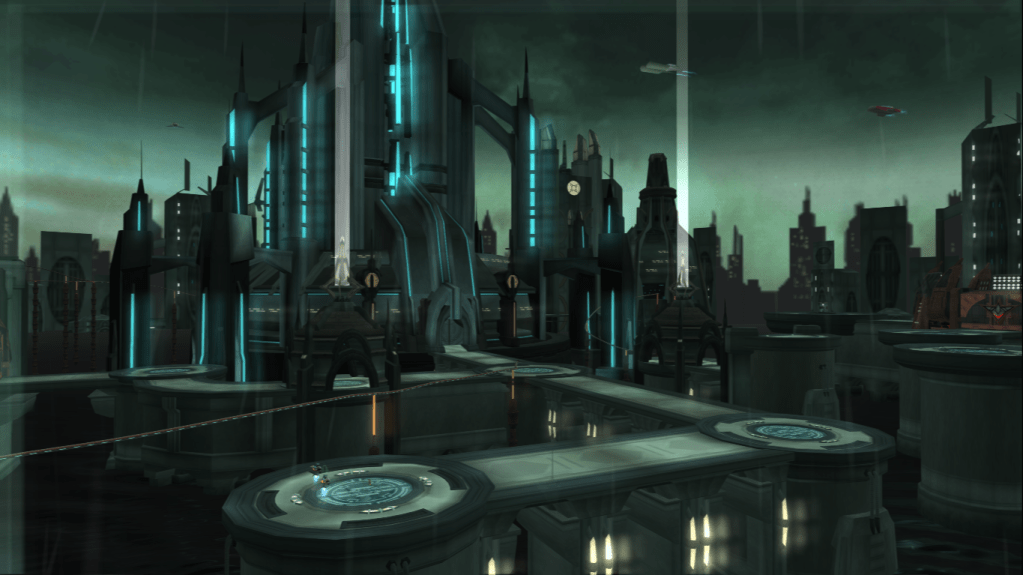
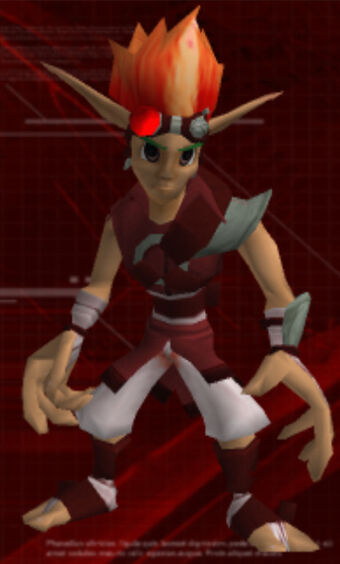
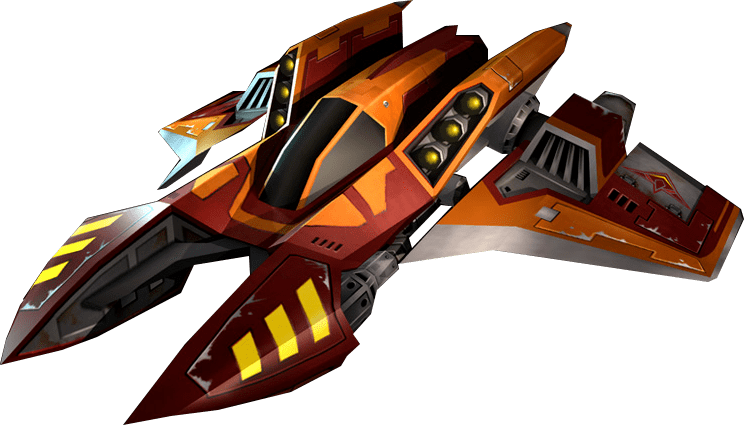
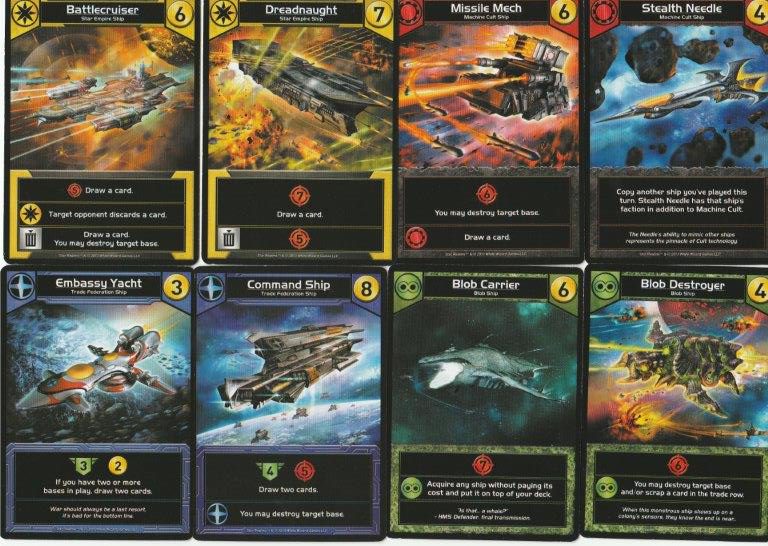
 Rosalia Rambles